
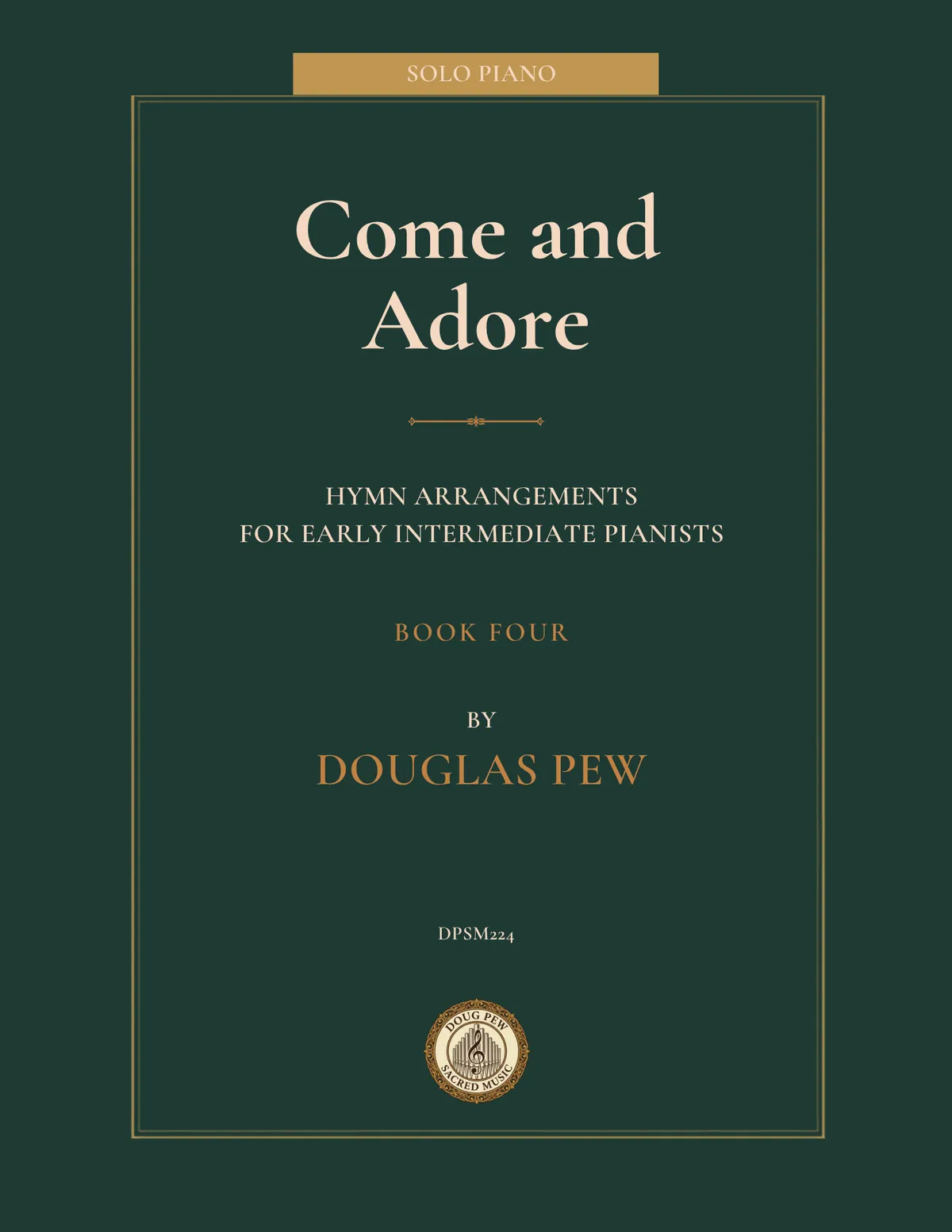
CHRISTMAS CAROLS
"Come and Adore"
10 Christmas Carols for
Intermediate Piano
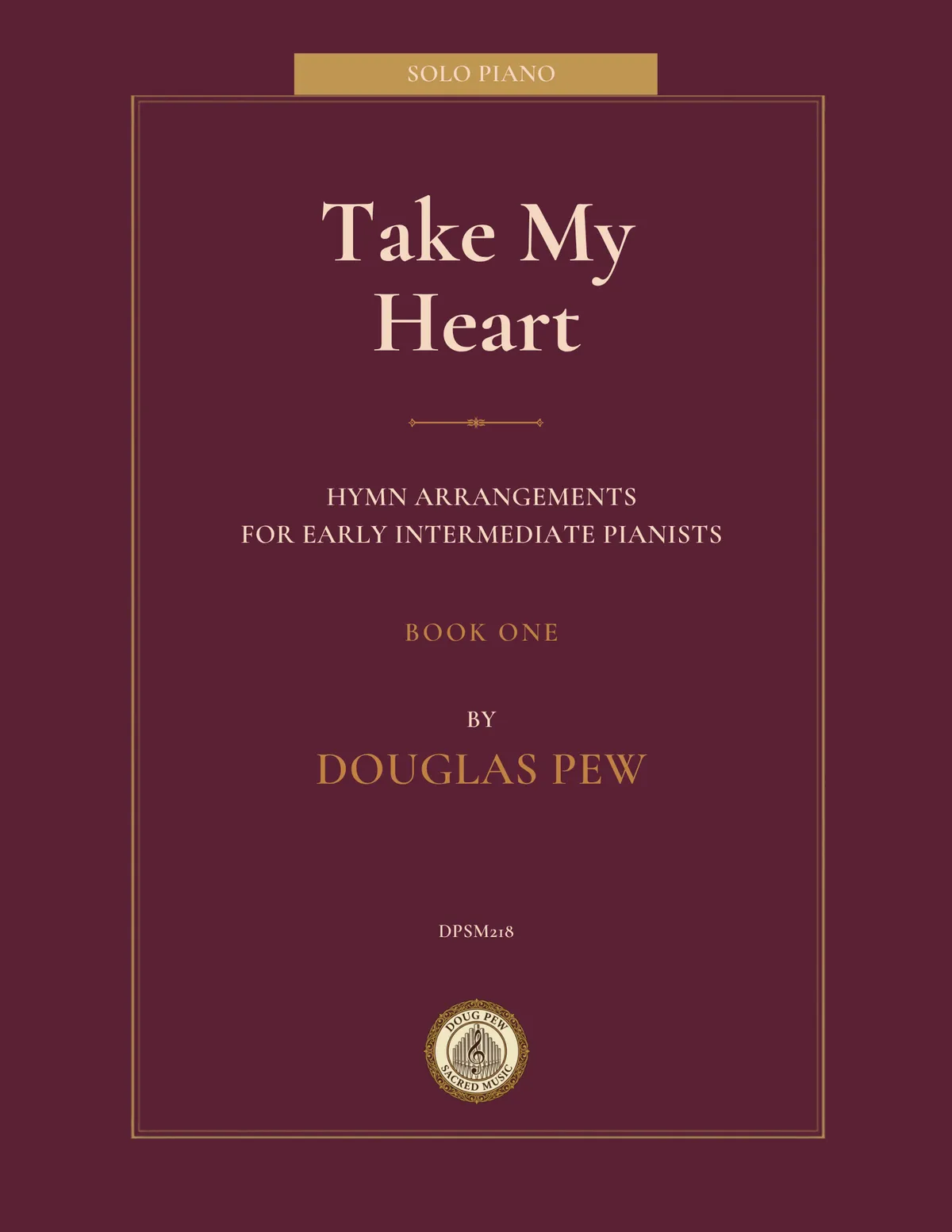
CONSECRATION HYMNS
"Take My Heart"
12 Hymn Arrangements for Intermediate Piano
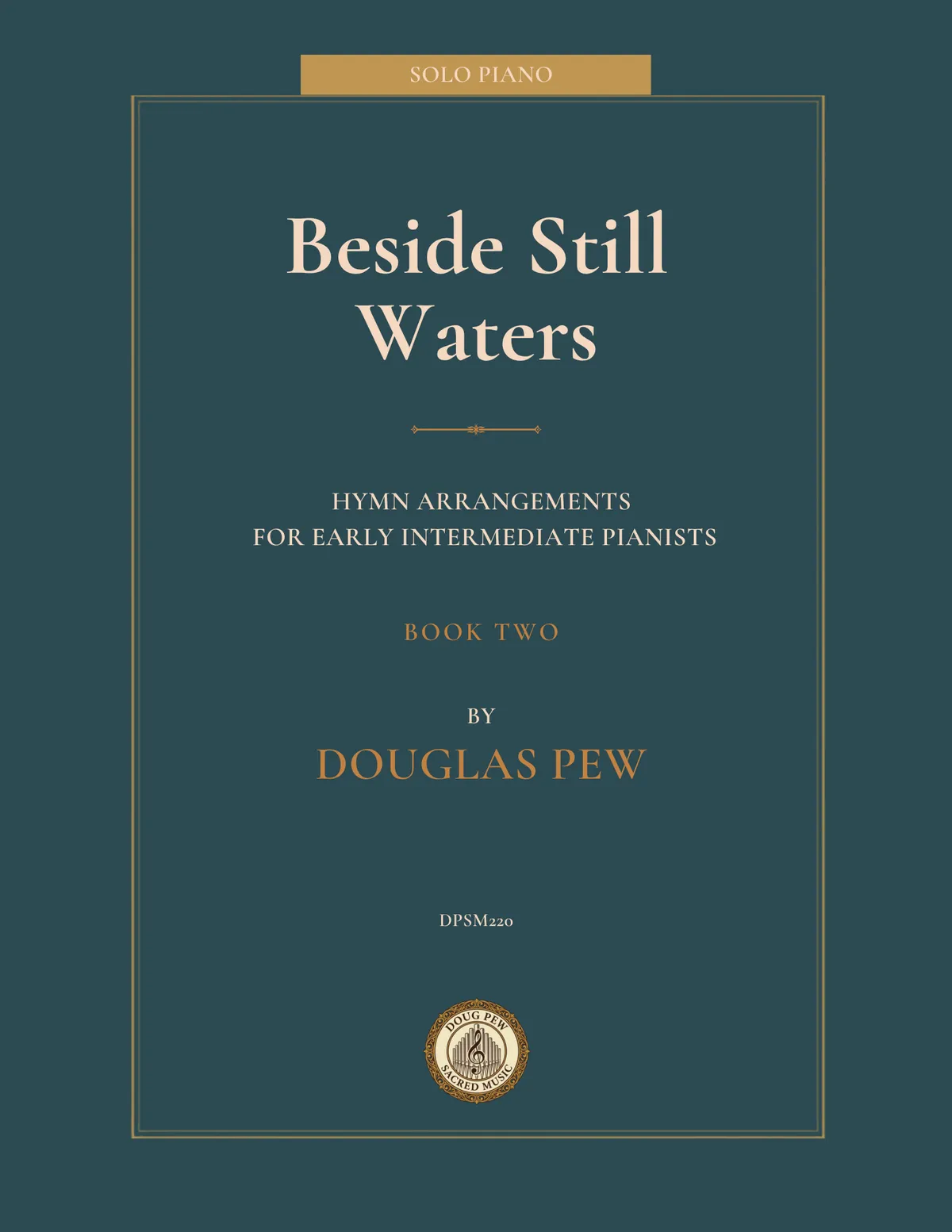
COMFORT HYMNS
"Beside Still Waters"
12 Hymn Arrangements for Intermediate Piano
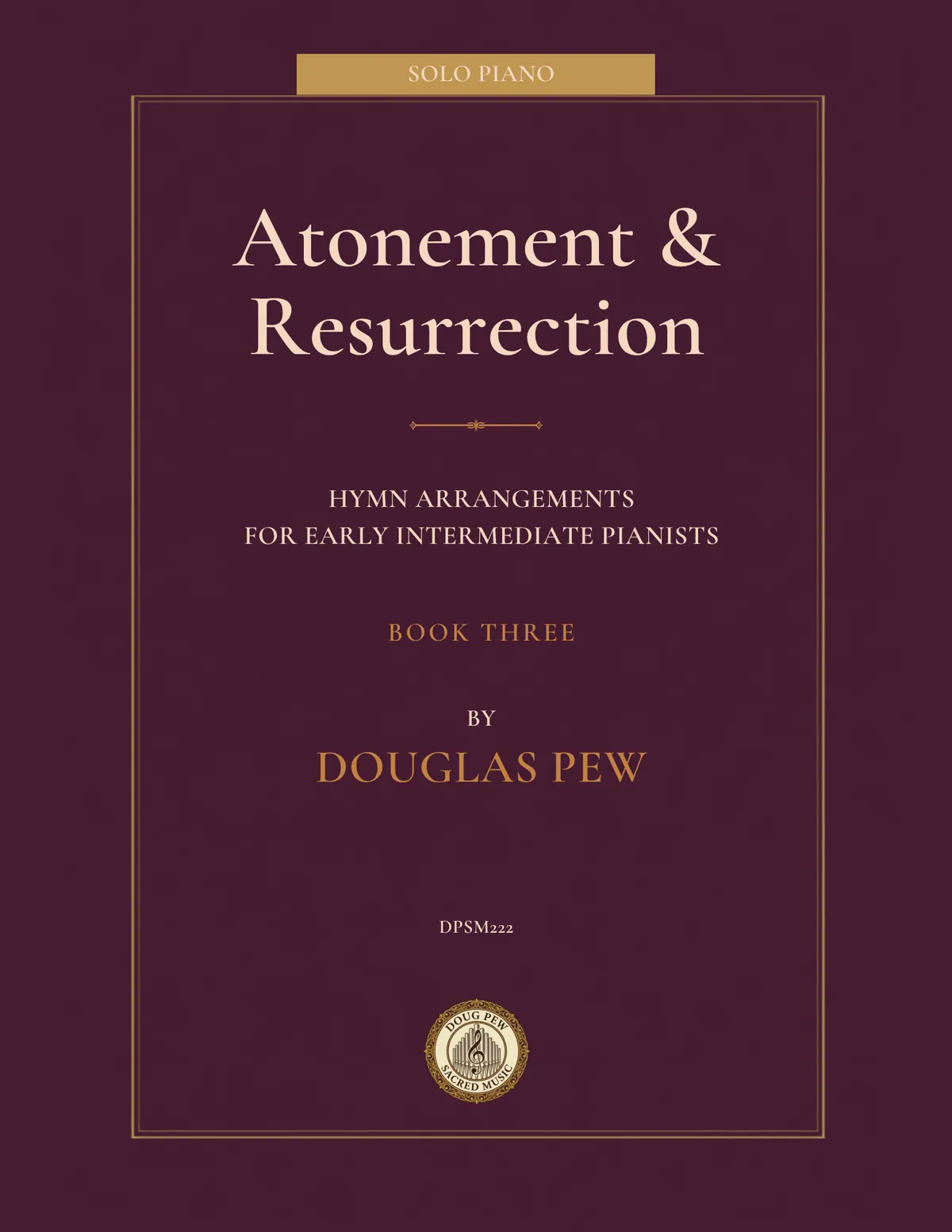
EASTER HYMNS
"Atonement & Resurrection"
10 Hymn Arrangements for Intermediate Piano
For pianists and piano teachers who are tired of the same canned Christmas arrangements...
Why Should Advanced Pianists Get All the Beautiful Chords?
4 books of arrangements written with the lush, rapturous harmonies of the great composers, voiced so your hand never has to reach past an octave.
"These are much-needed arrangements, clever, and genuinely original."
— Dr. Scott Holden, Professor of Piano at BYU
Rich to the Ear. Simple on the Eyes and Hands.
Music You'll LOVE Playing
- No old-fashioned left-hand rolling arpeggios. No oom-pah chords. None of the tired textures you've played a hundred times.
- The lush harmonies of Brahms and the great Romantic composers.
- Lyrical lines that make the piano sing, like a string quartet.
- Every carol a 3–5 minute story, with modulations and fresh harmonies carrying your listeners from verse to verse.
Music You Can Confidently Play
- Never more than an octave. Every chord fits comfortably in an average-sized hand.
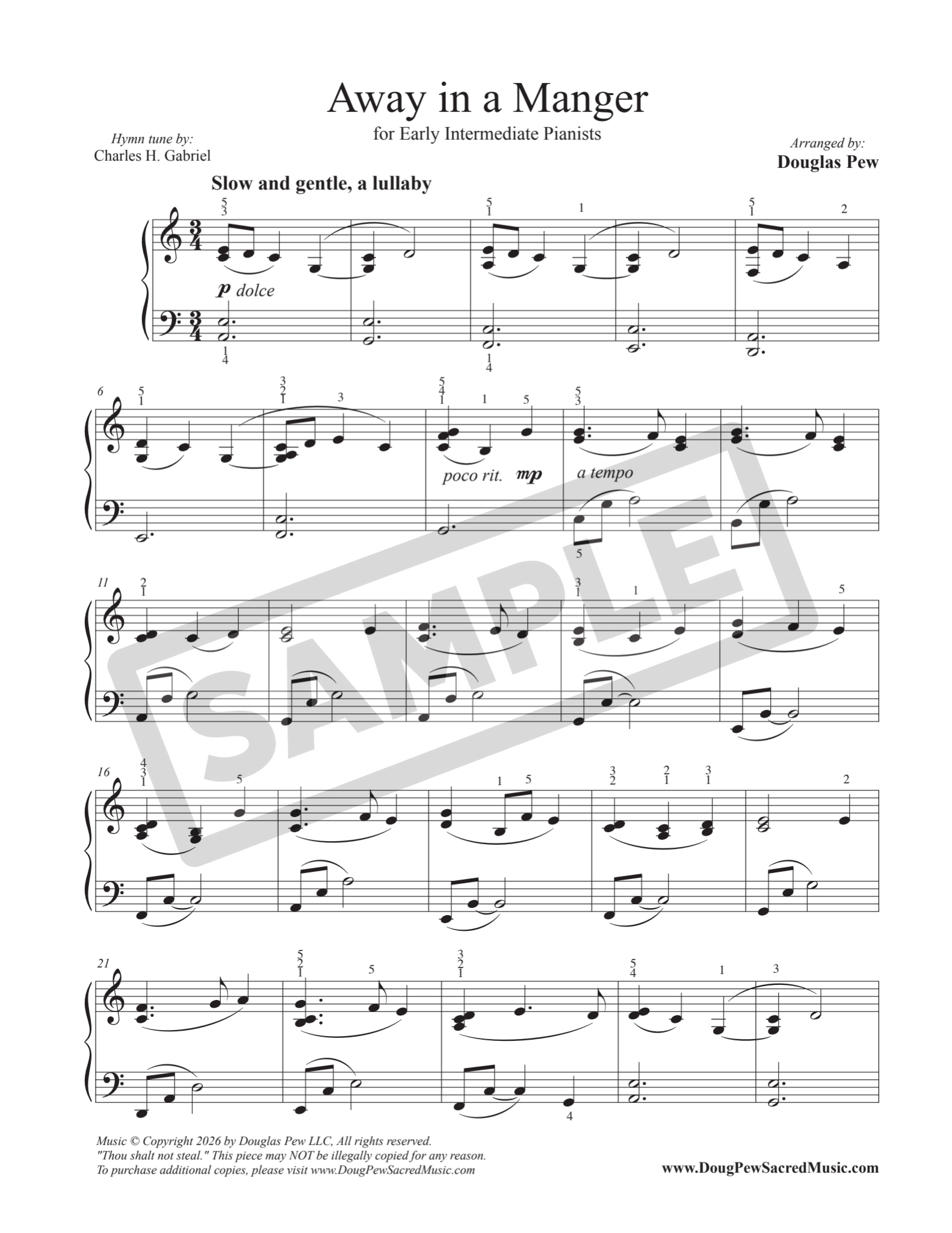
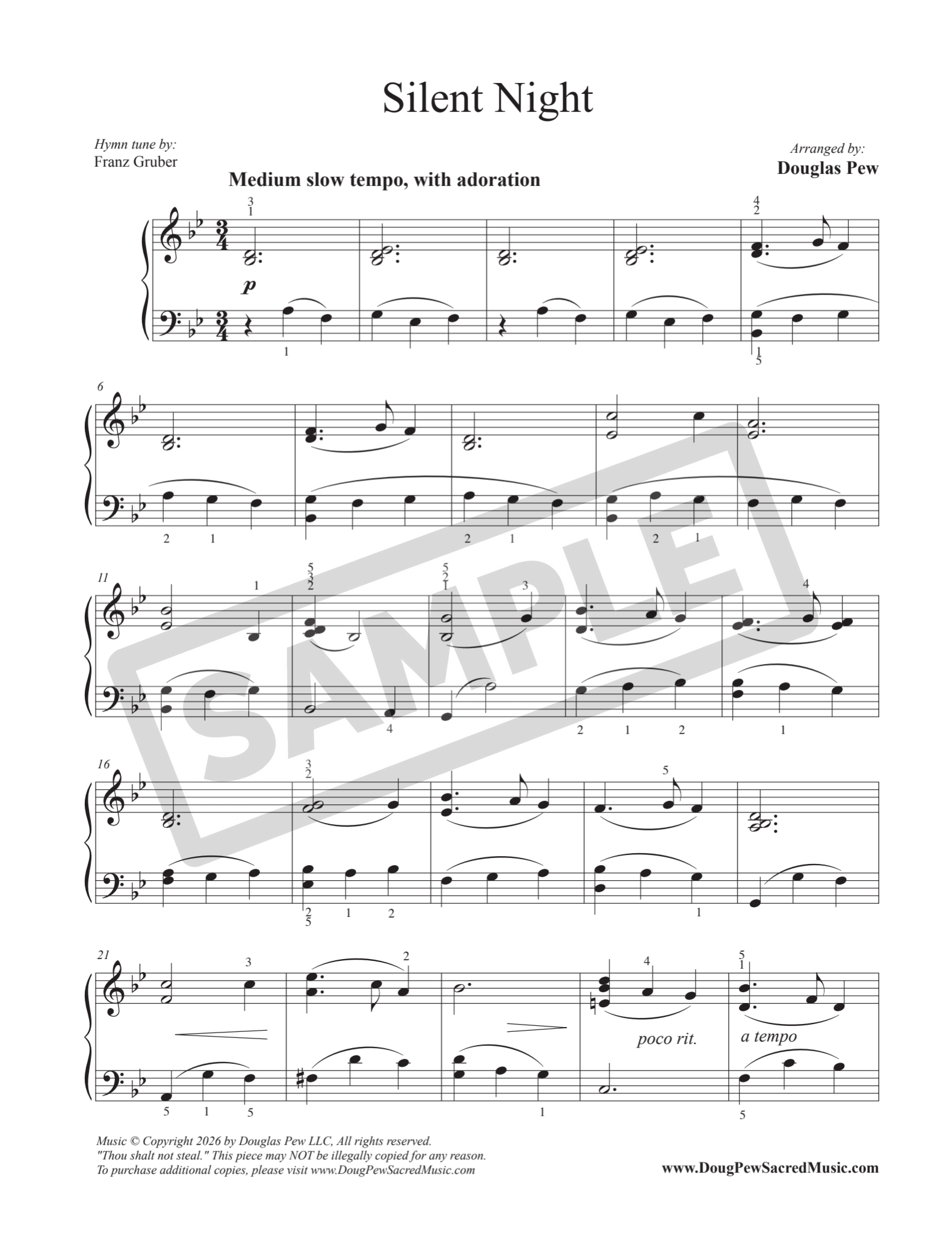
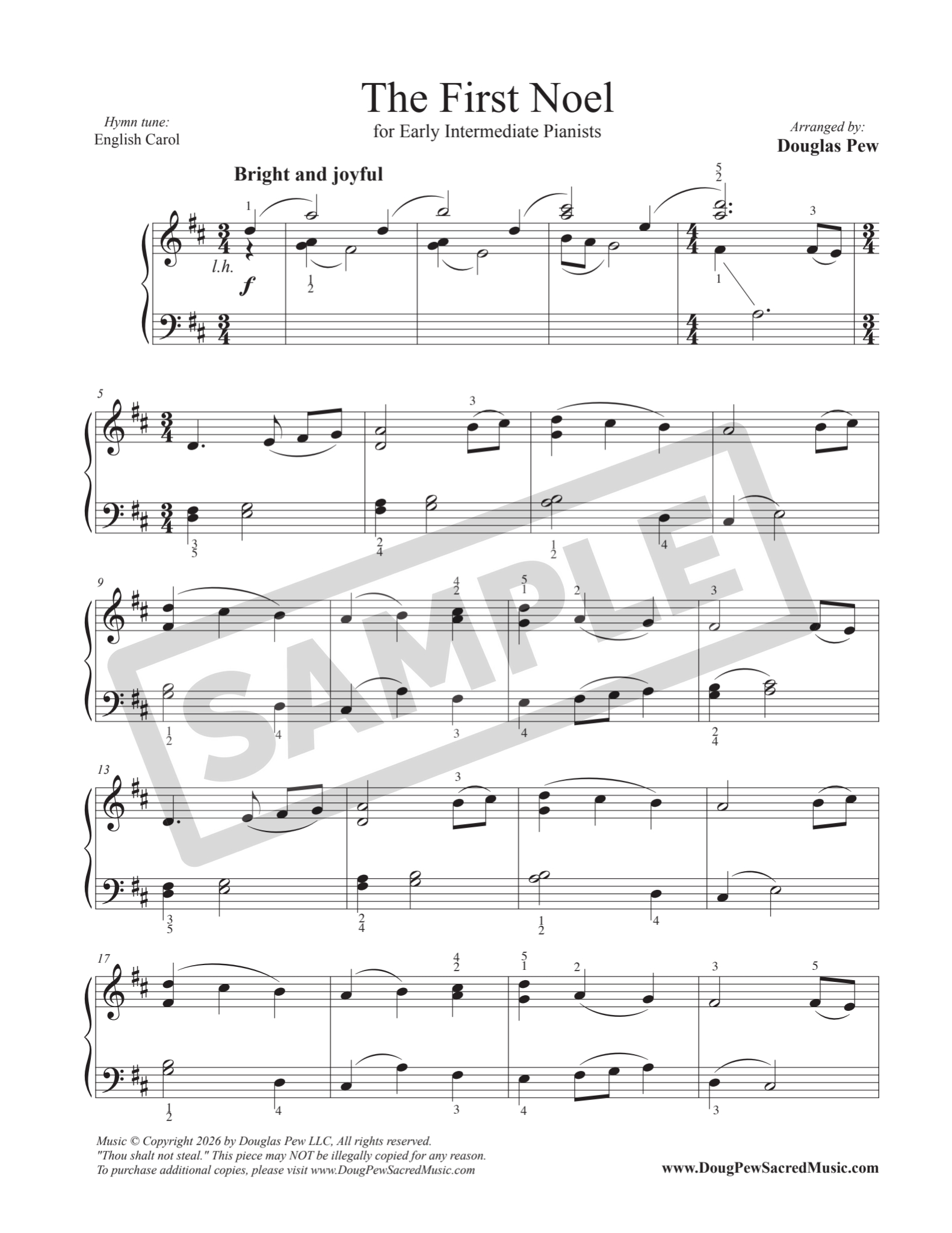
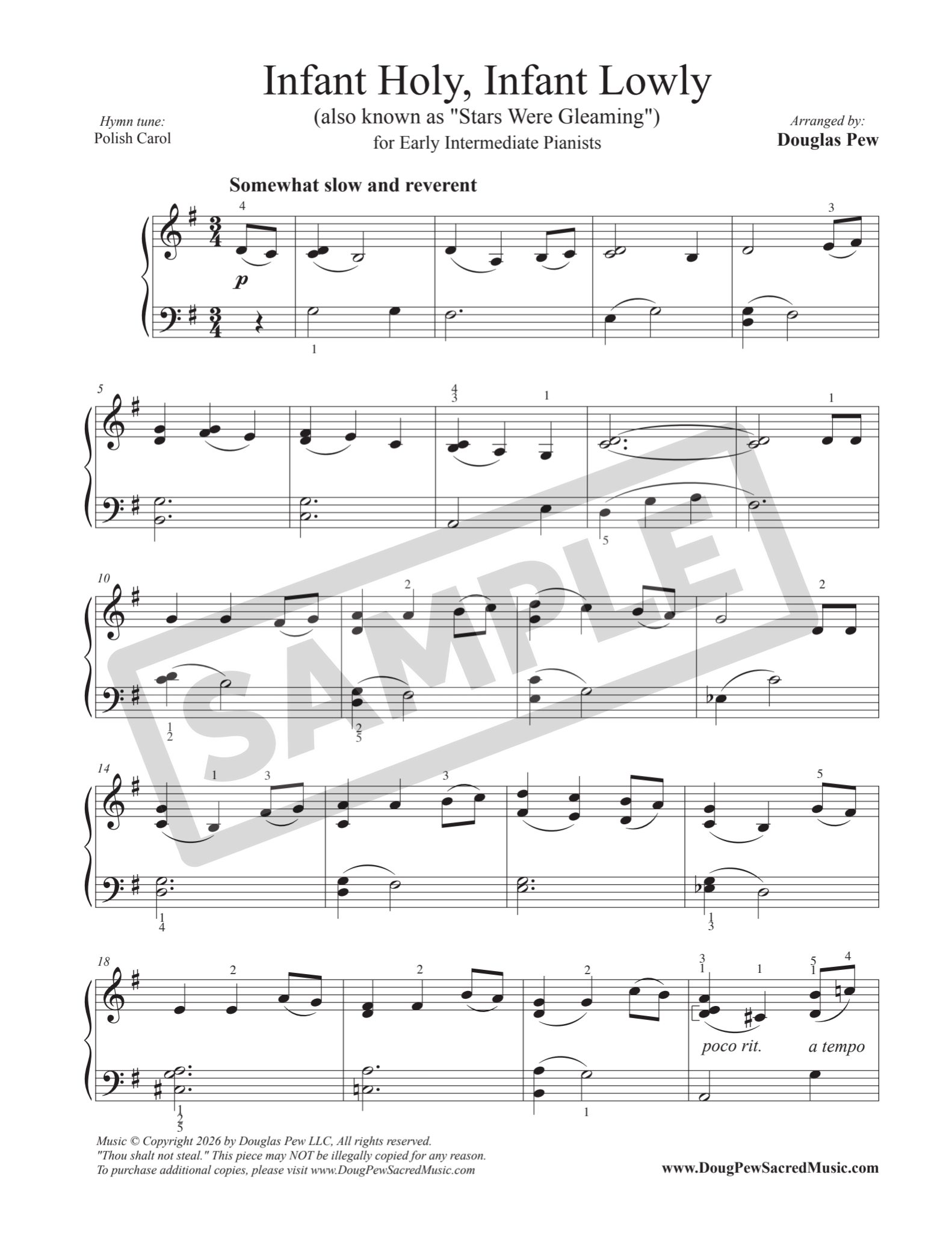
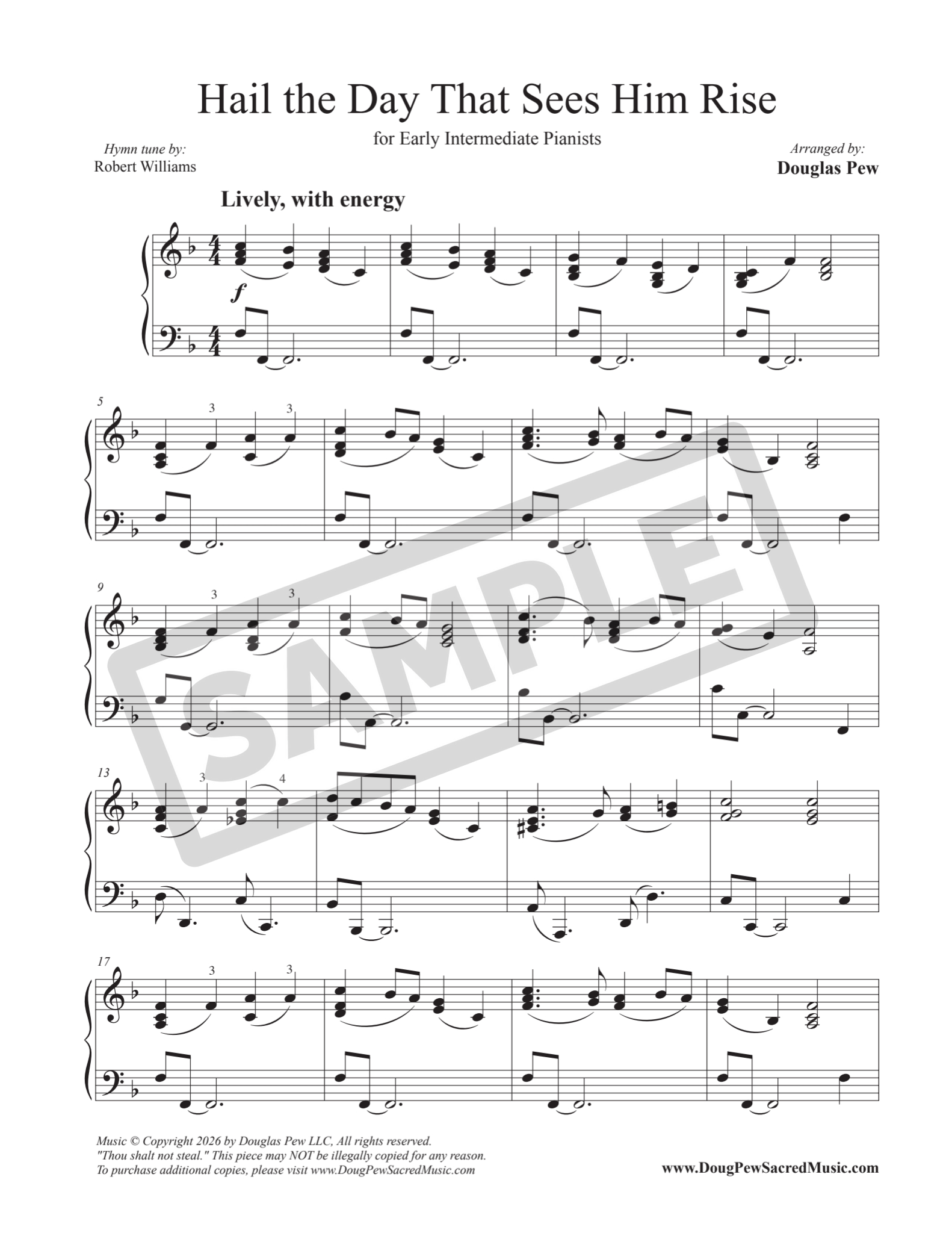
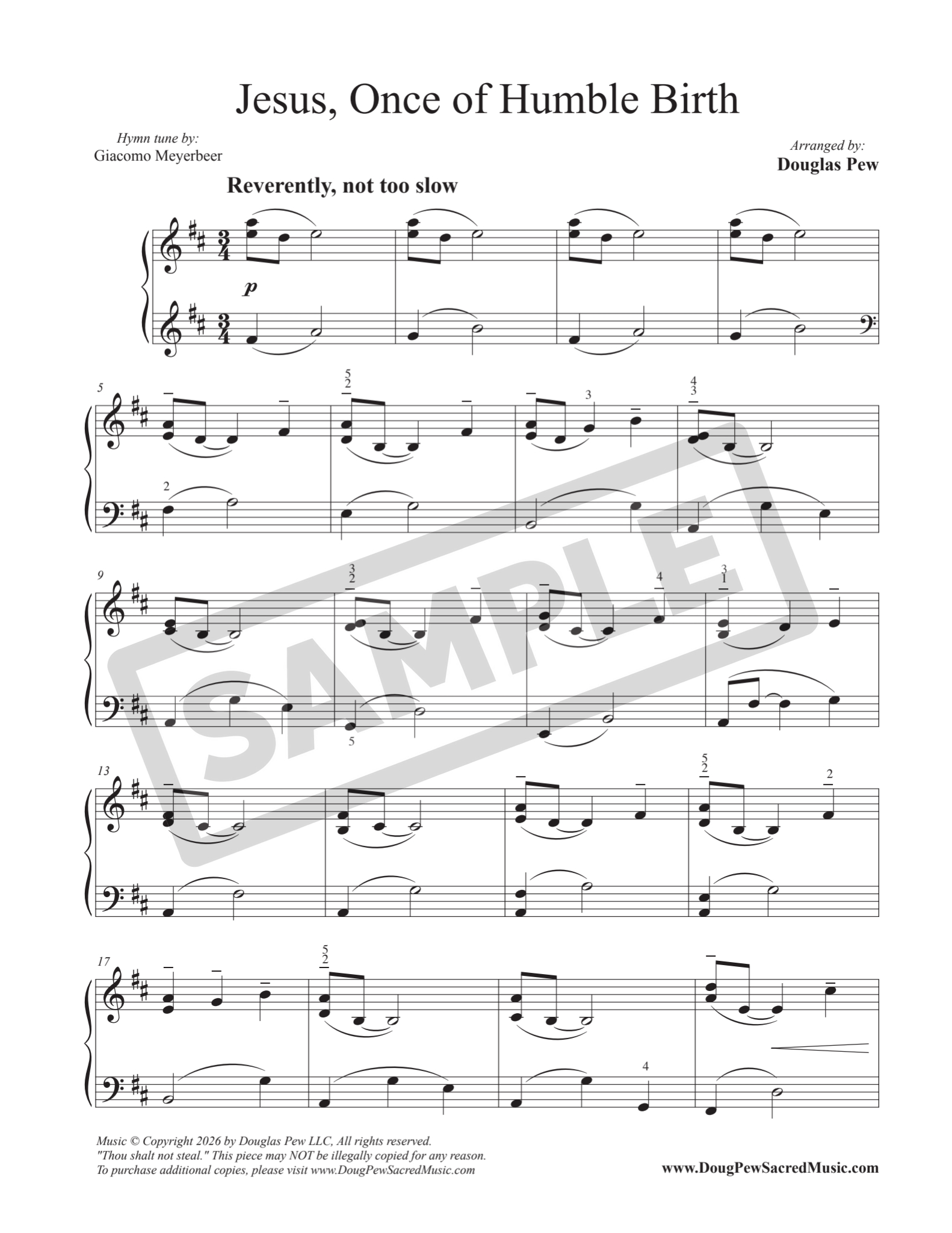
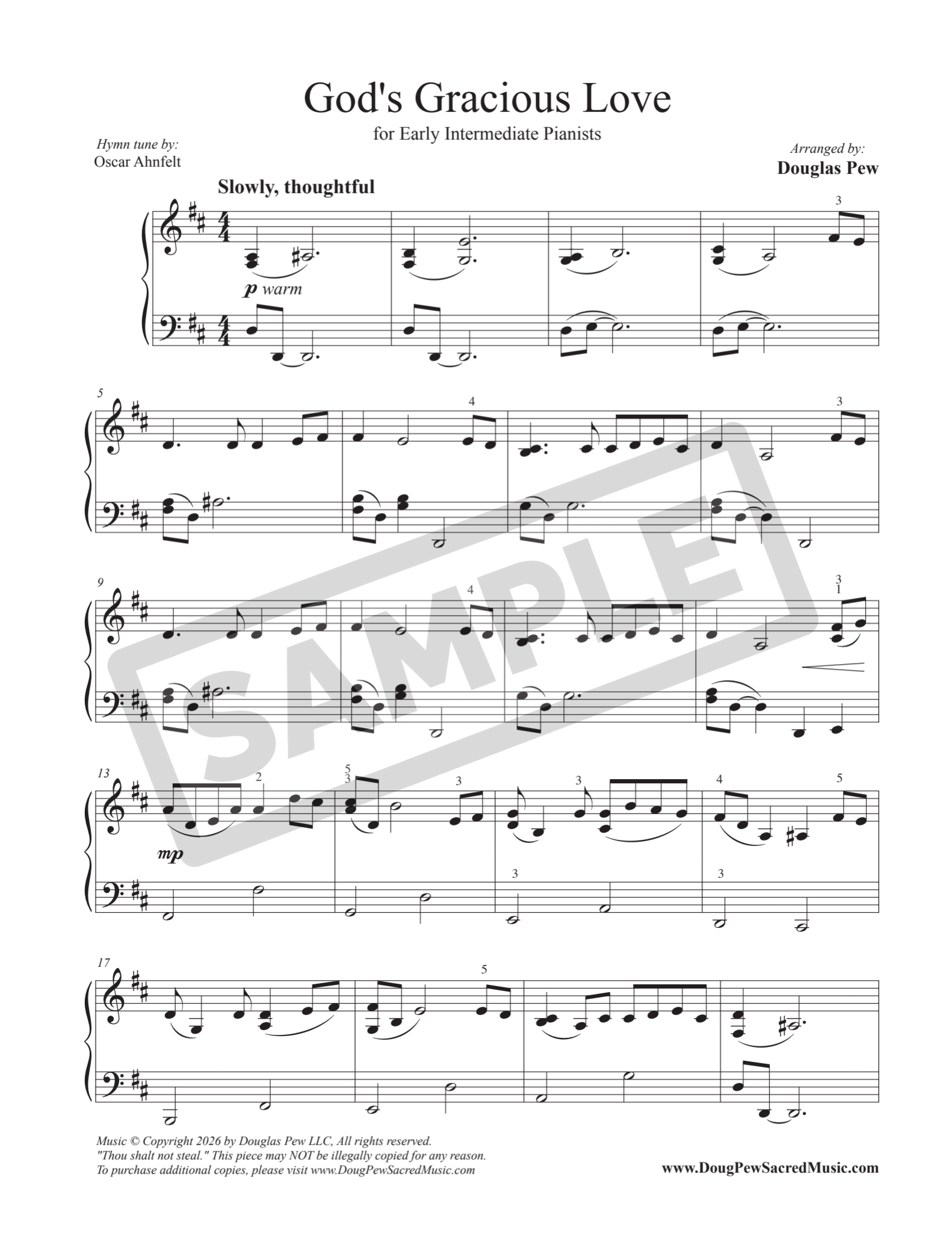
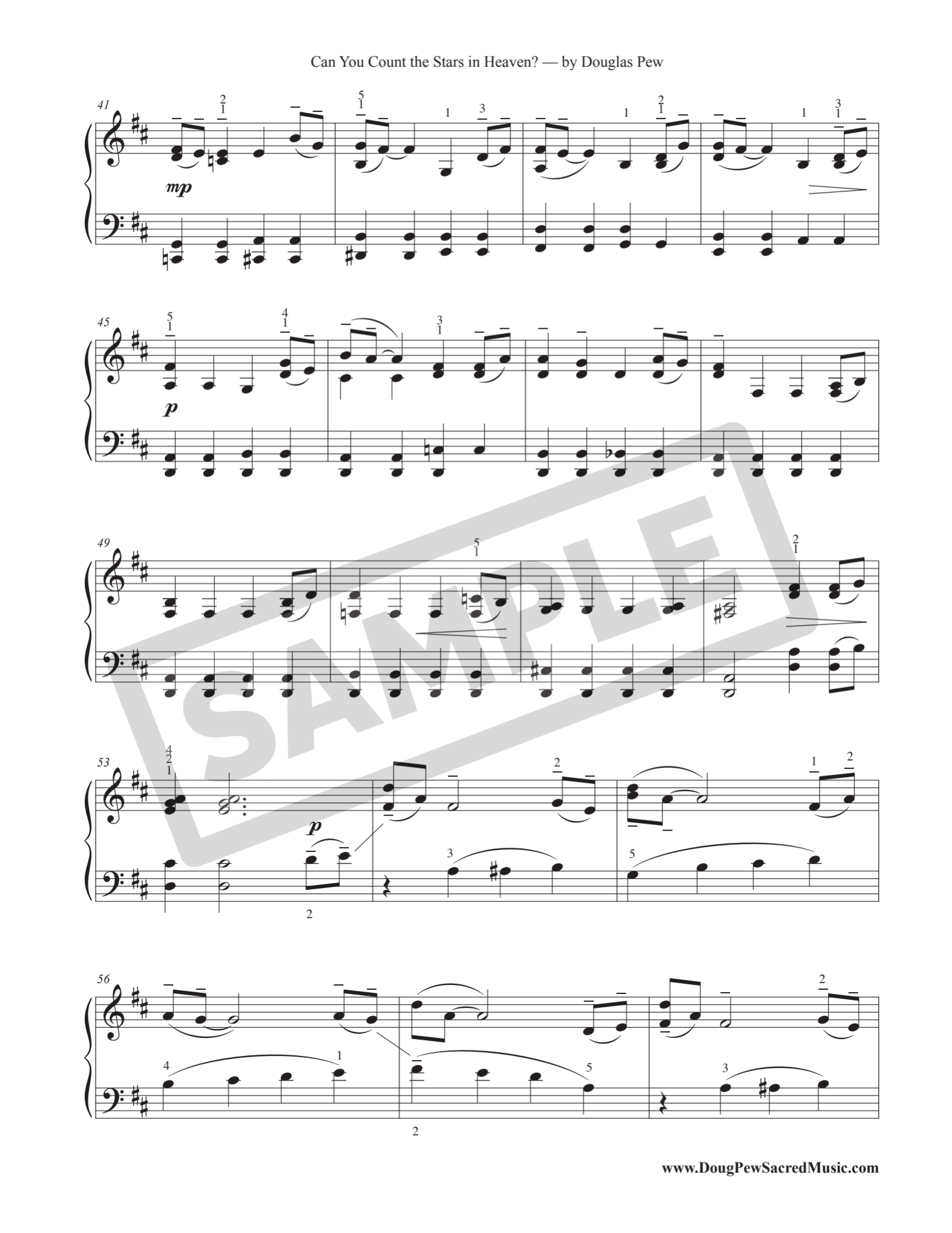
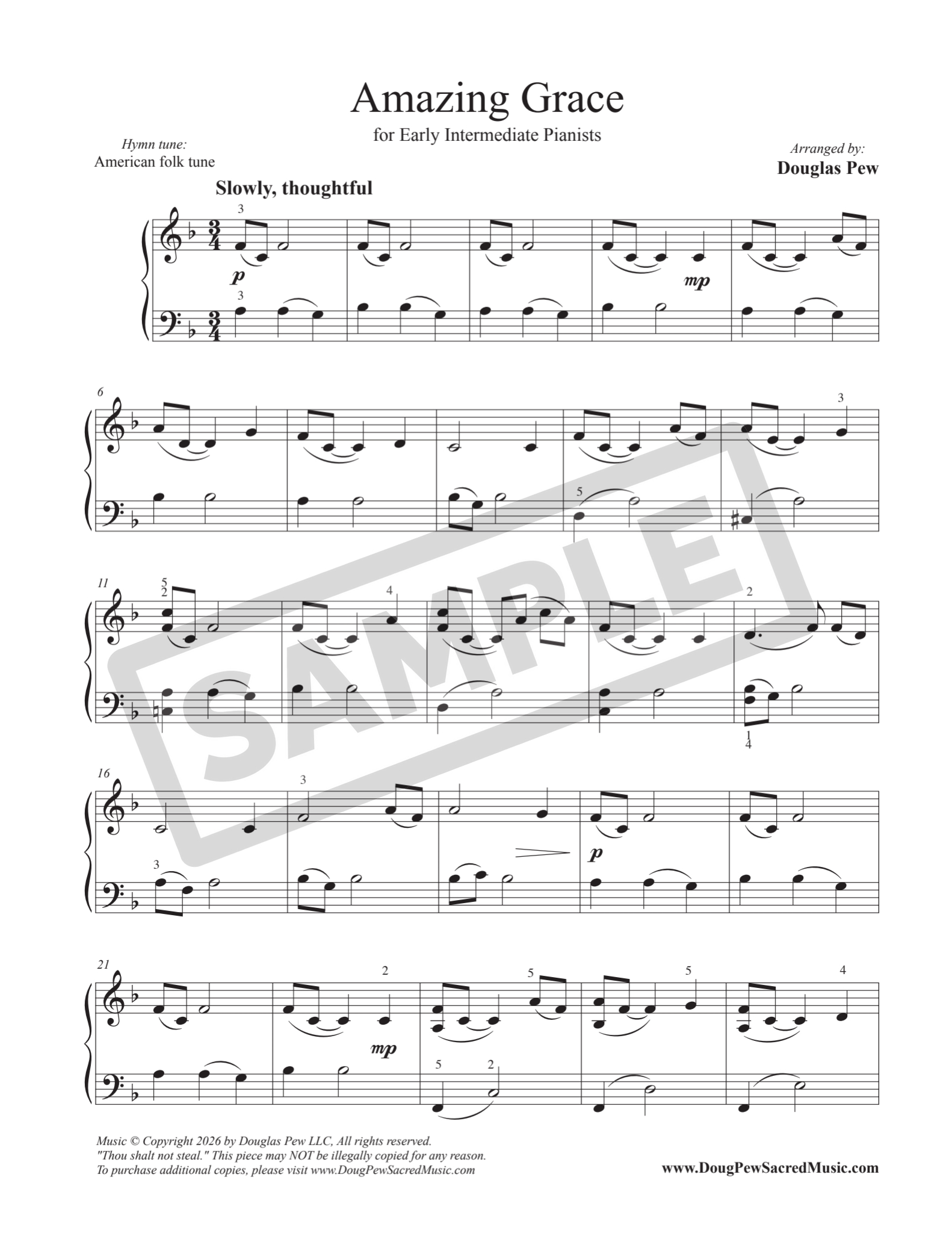
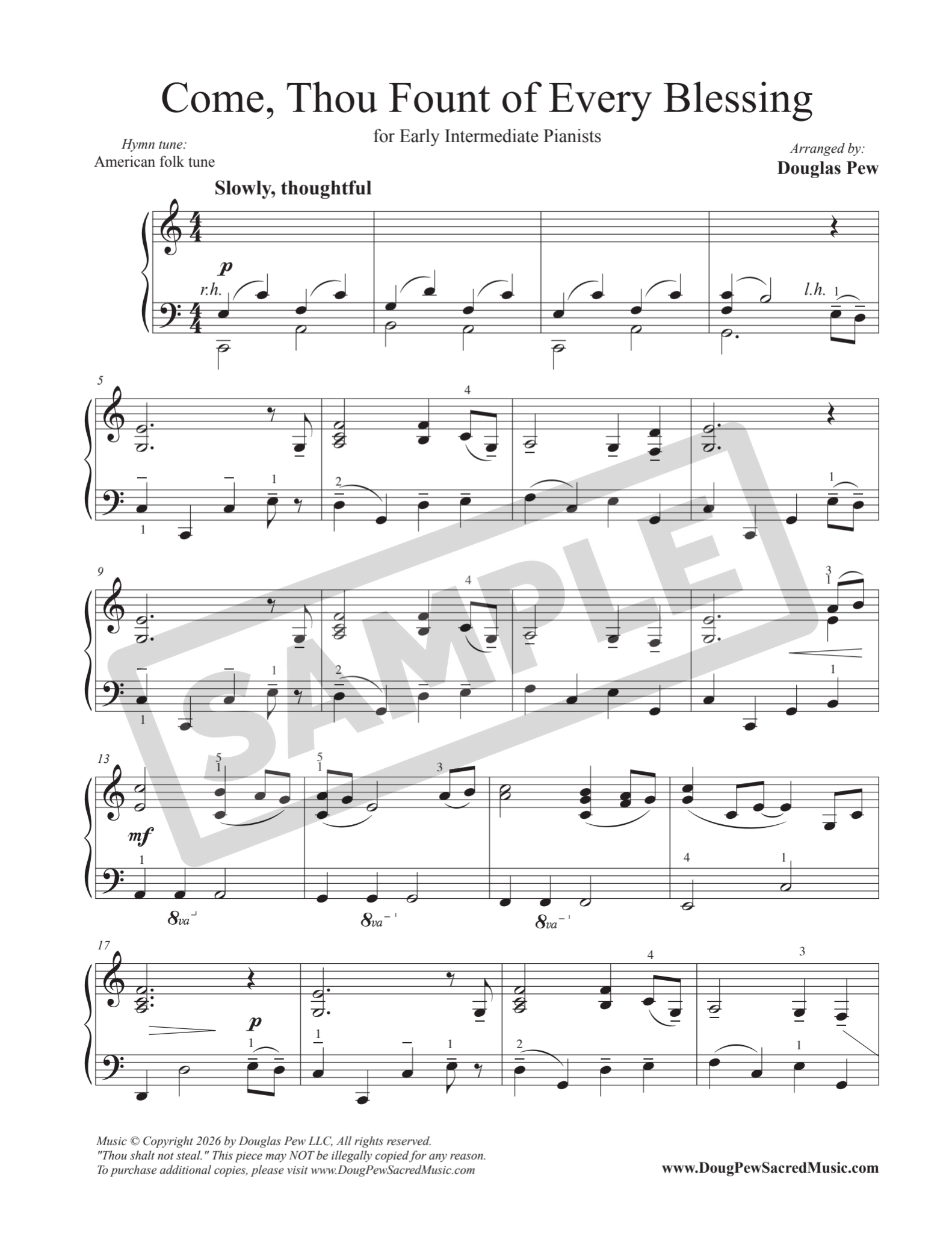
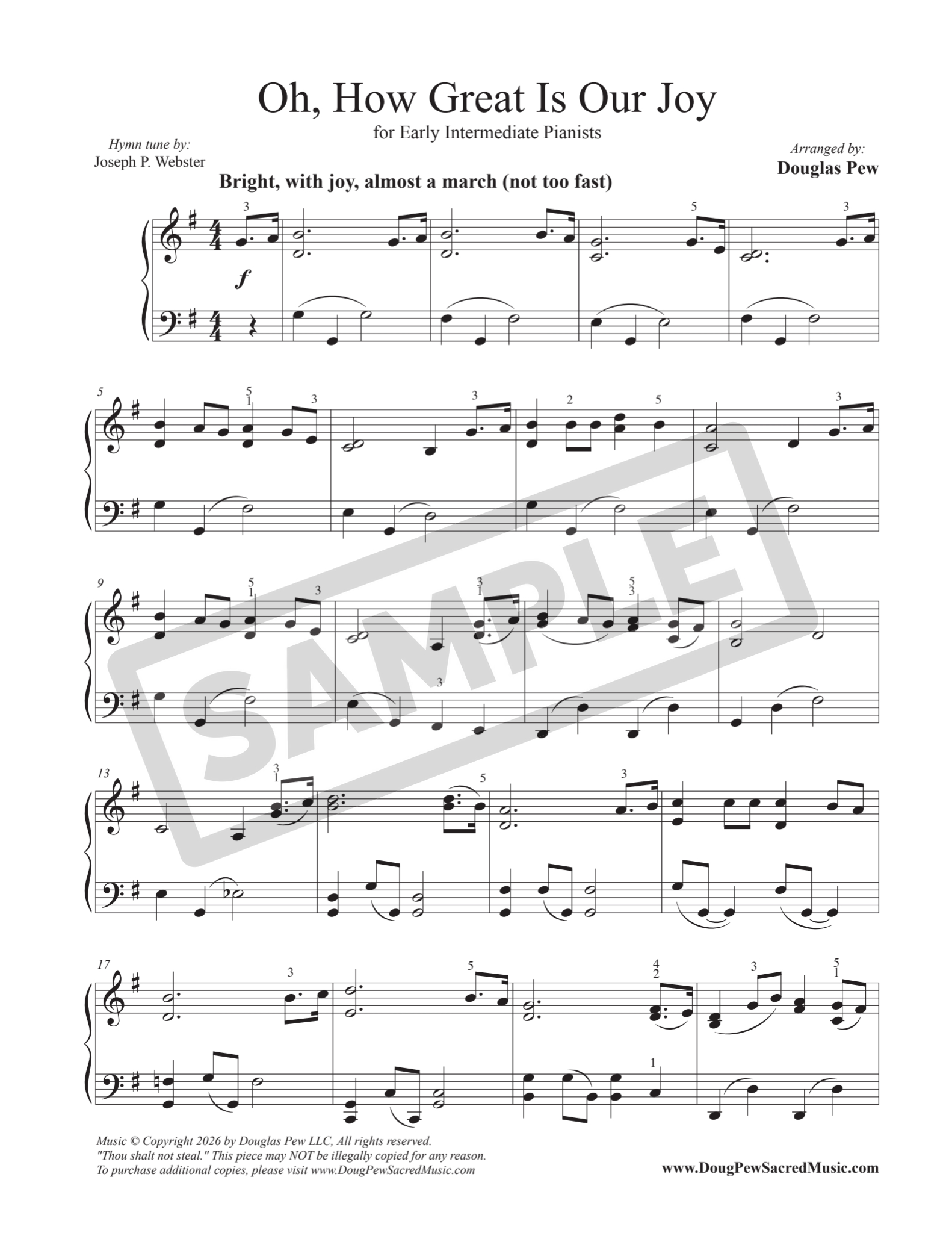
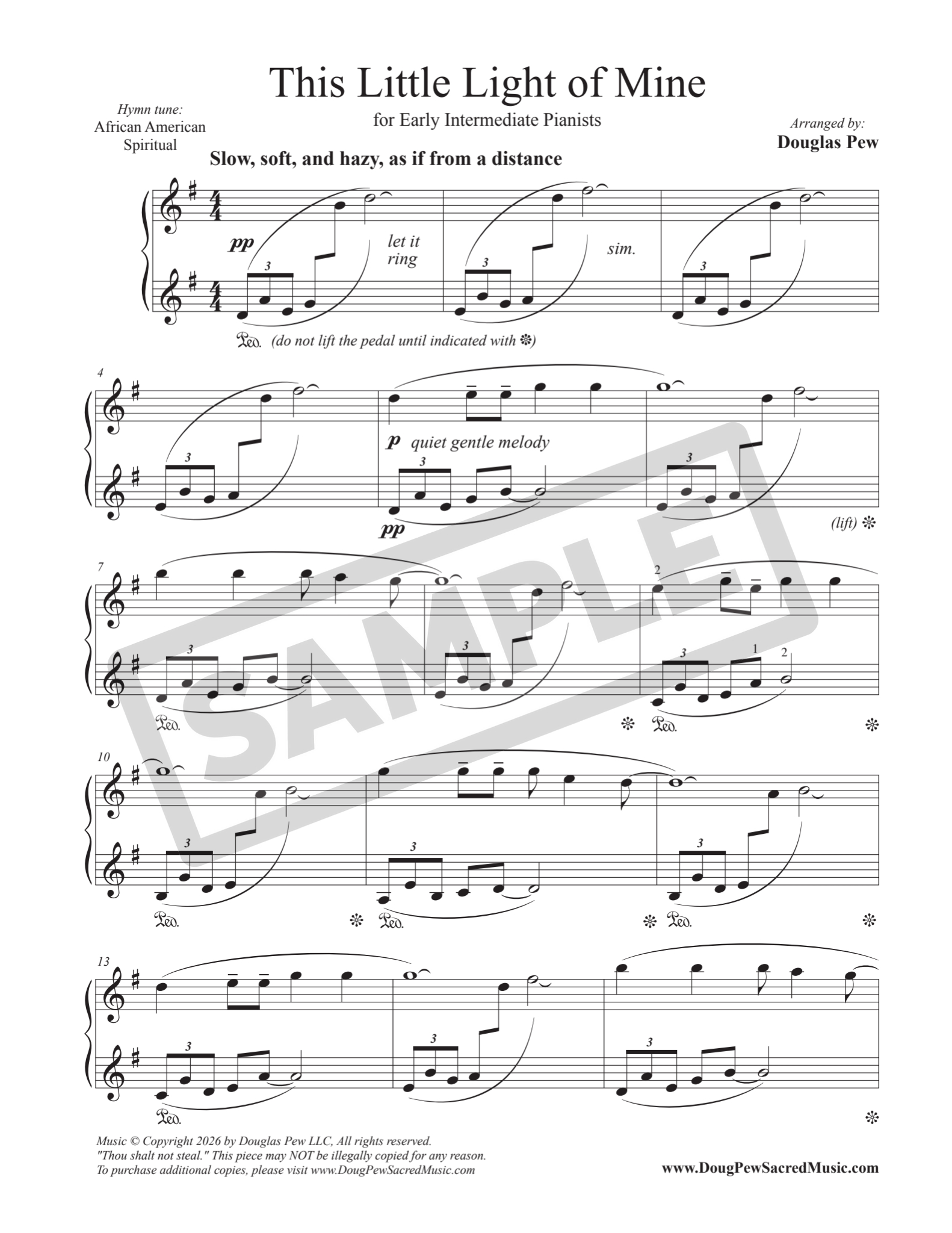
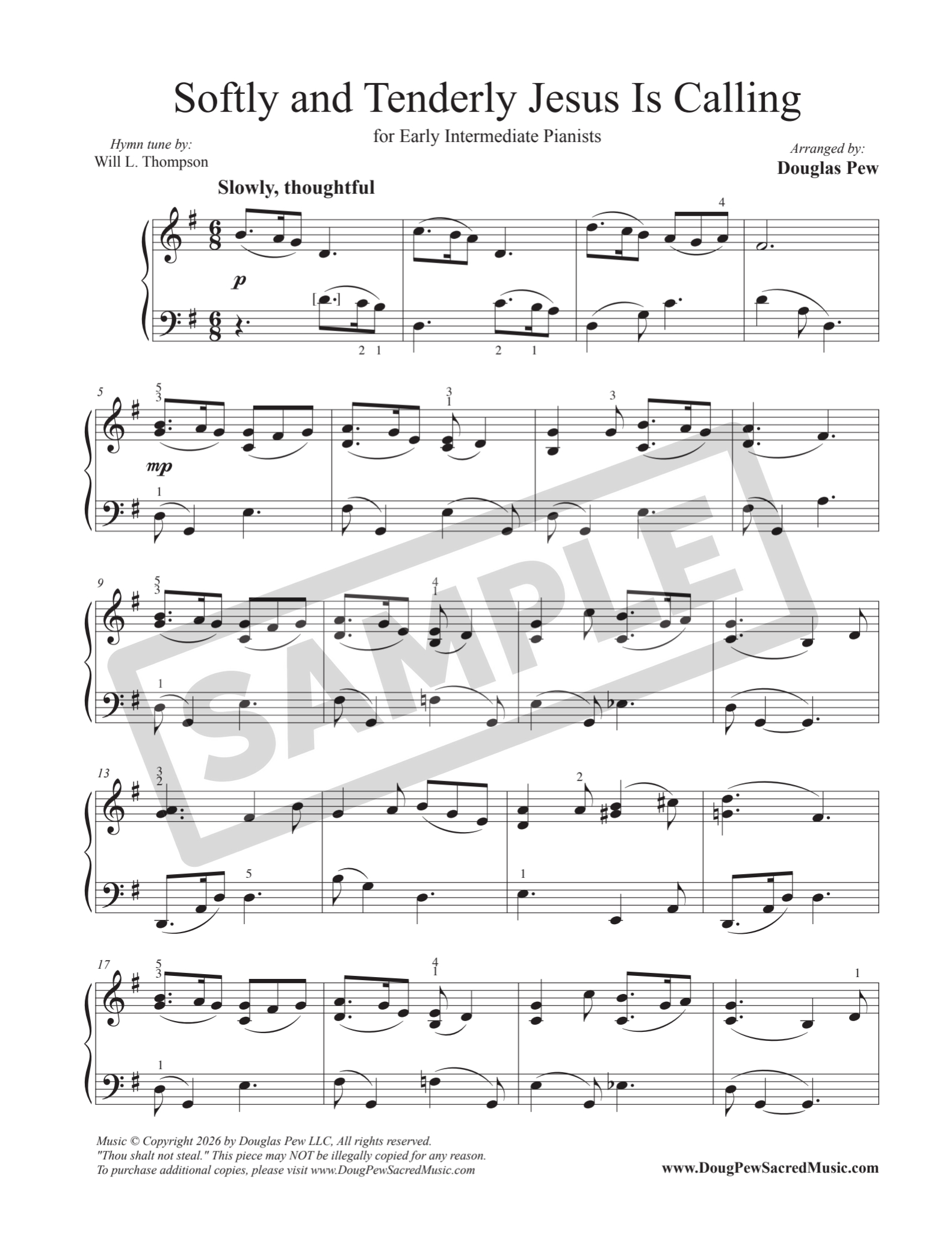
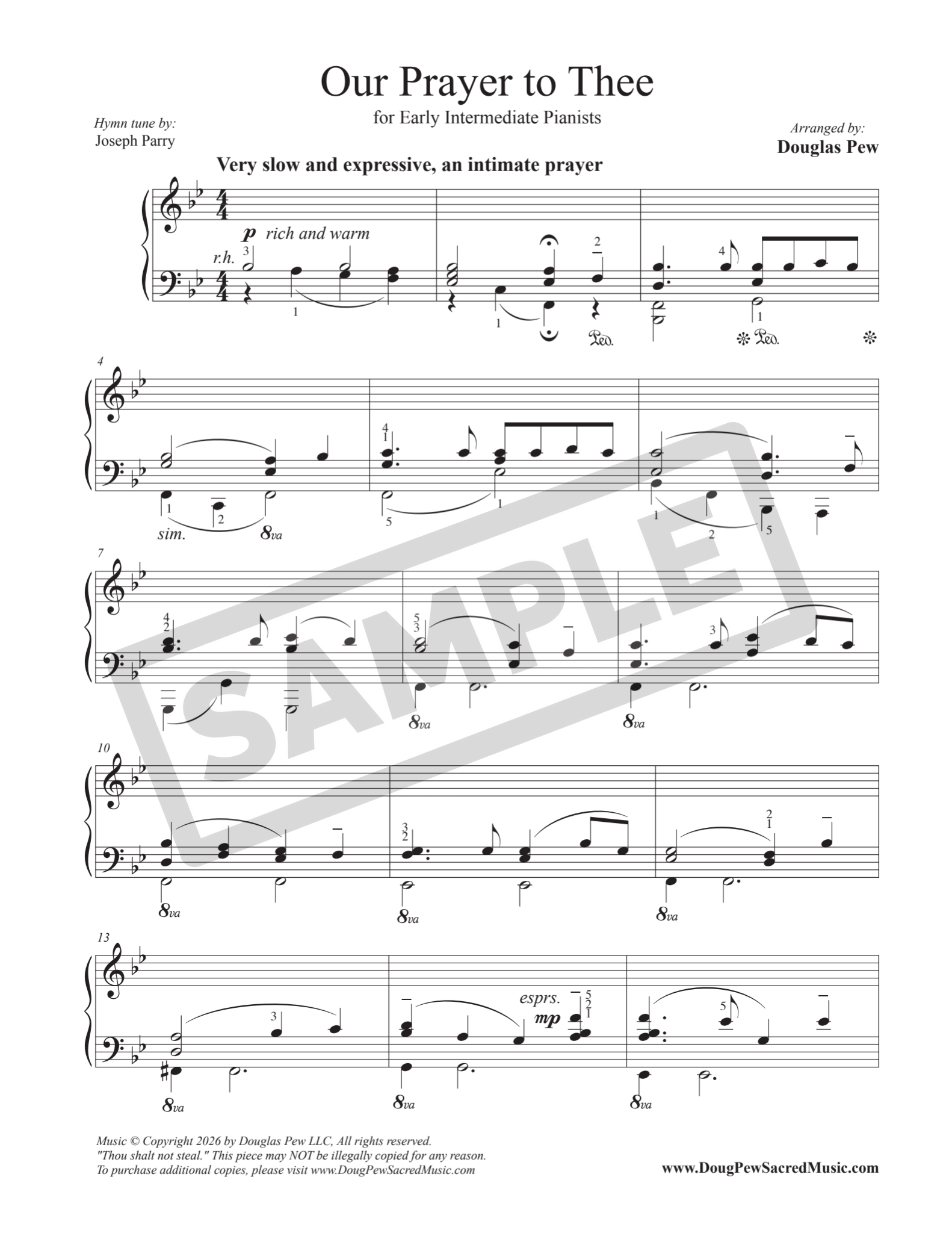
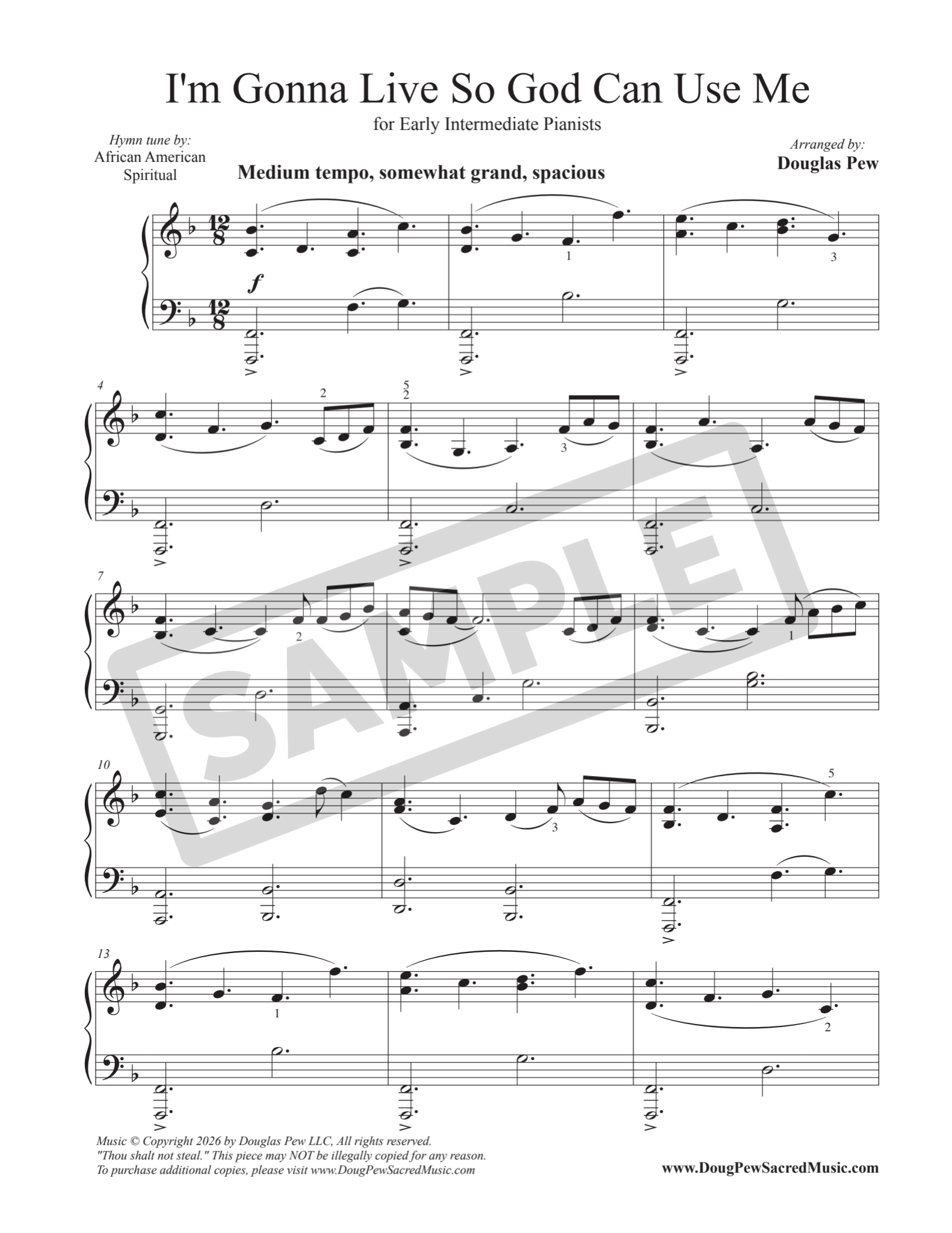
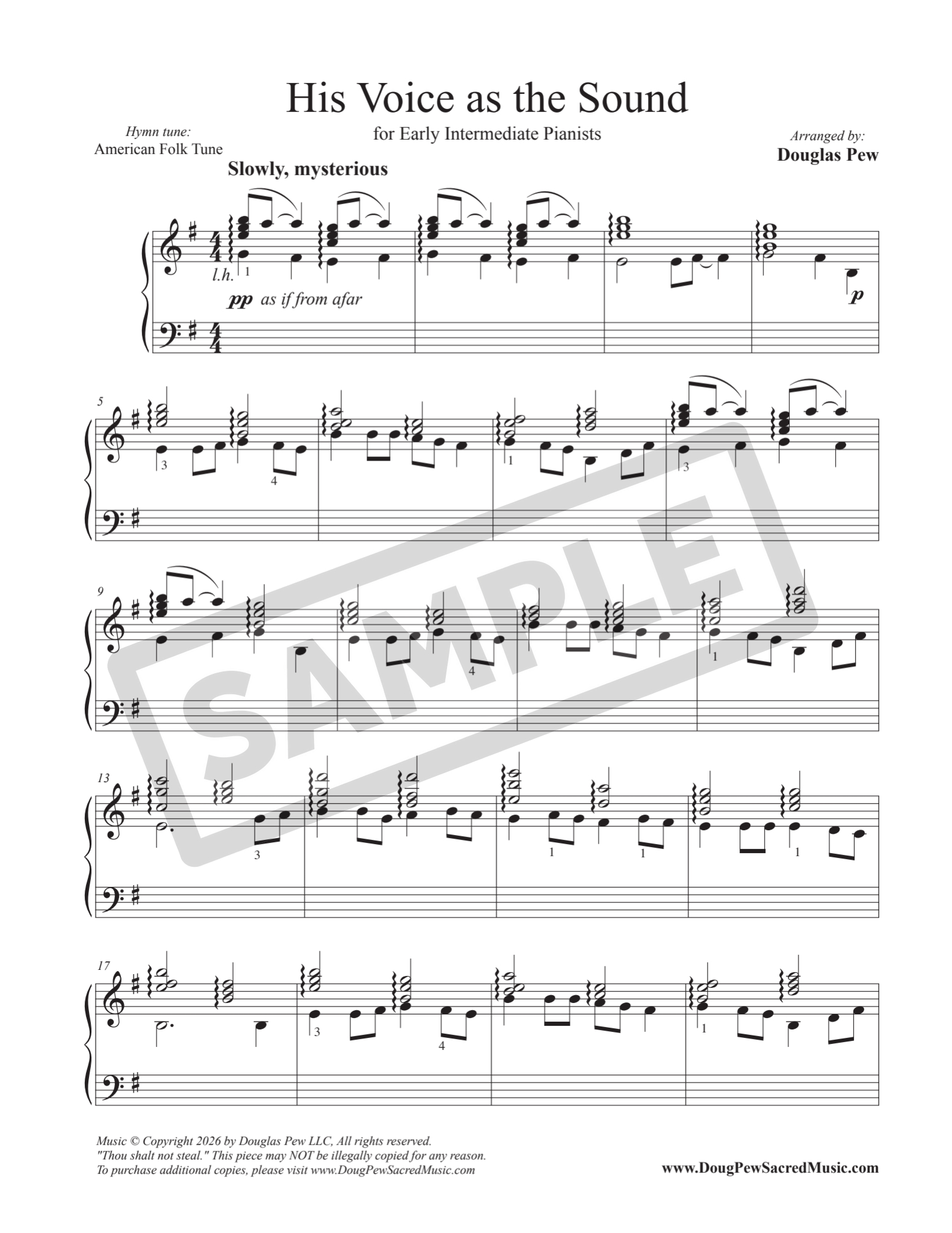
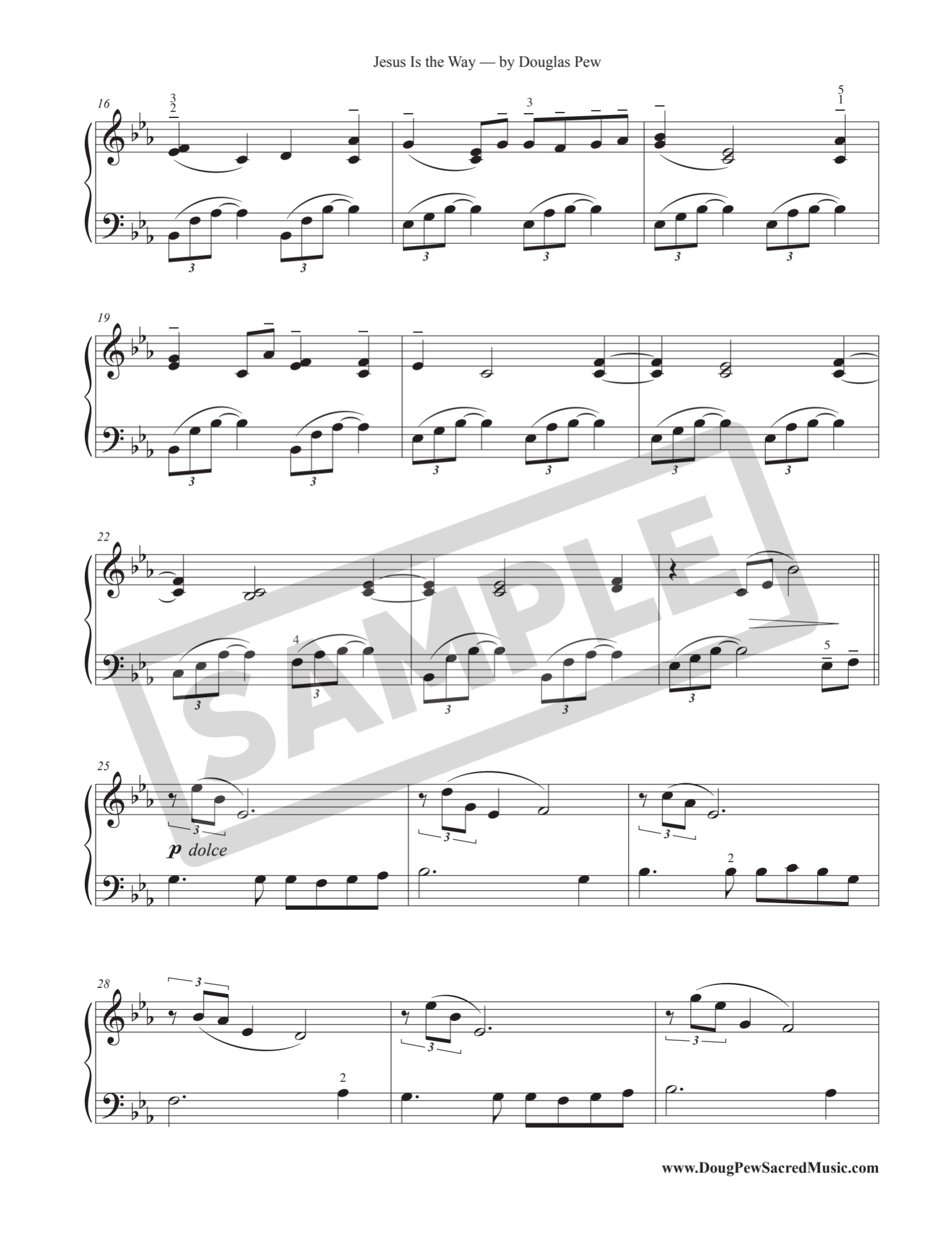
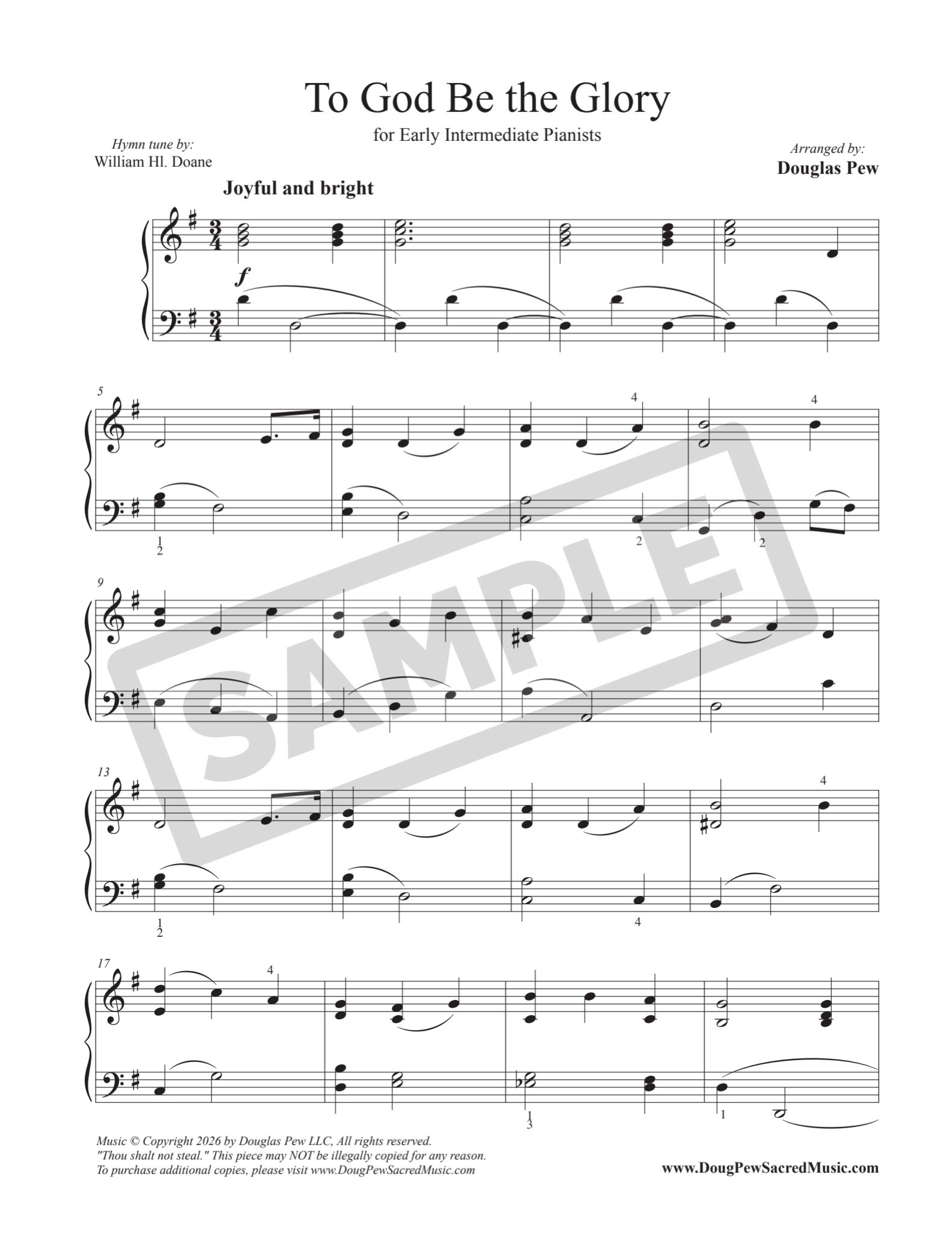
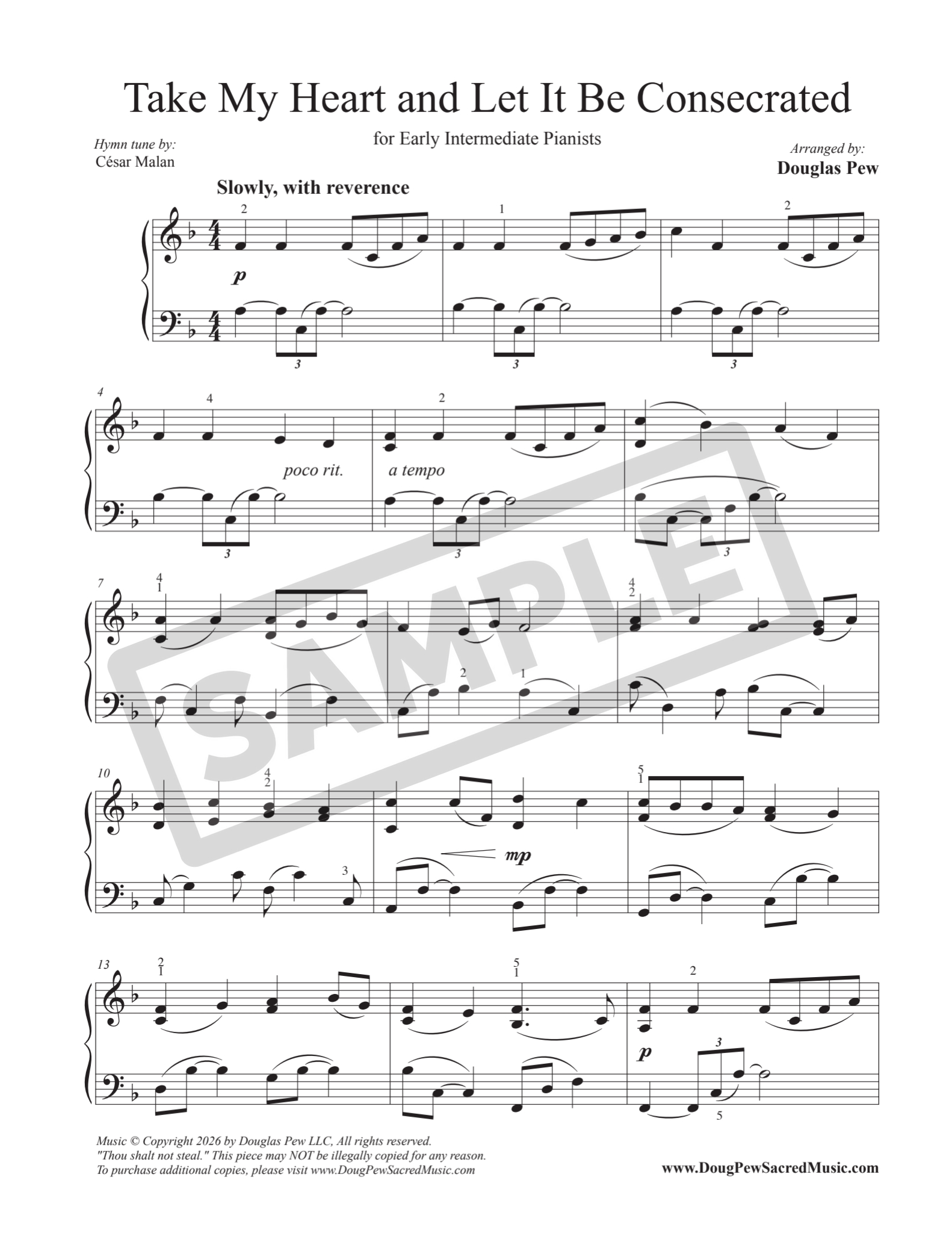
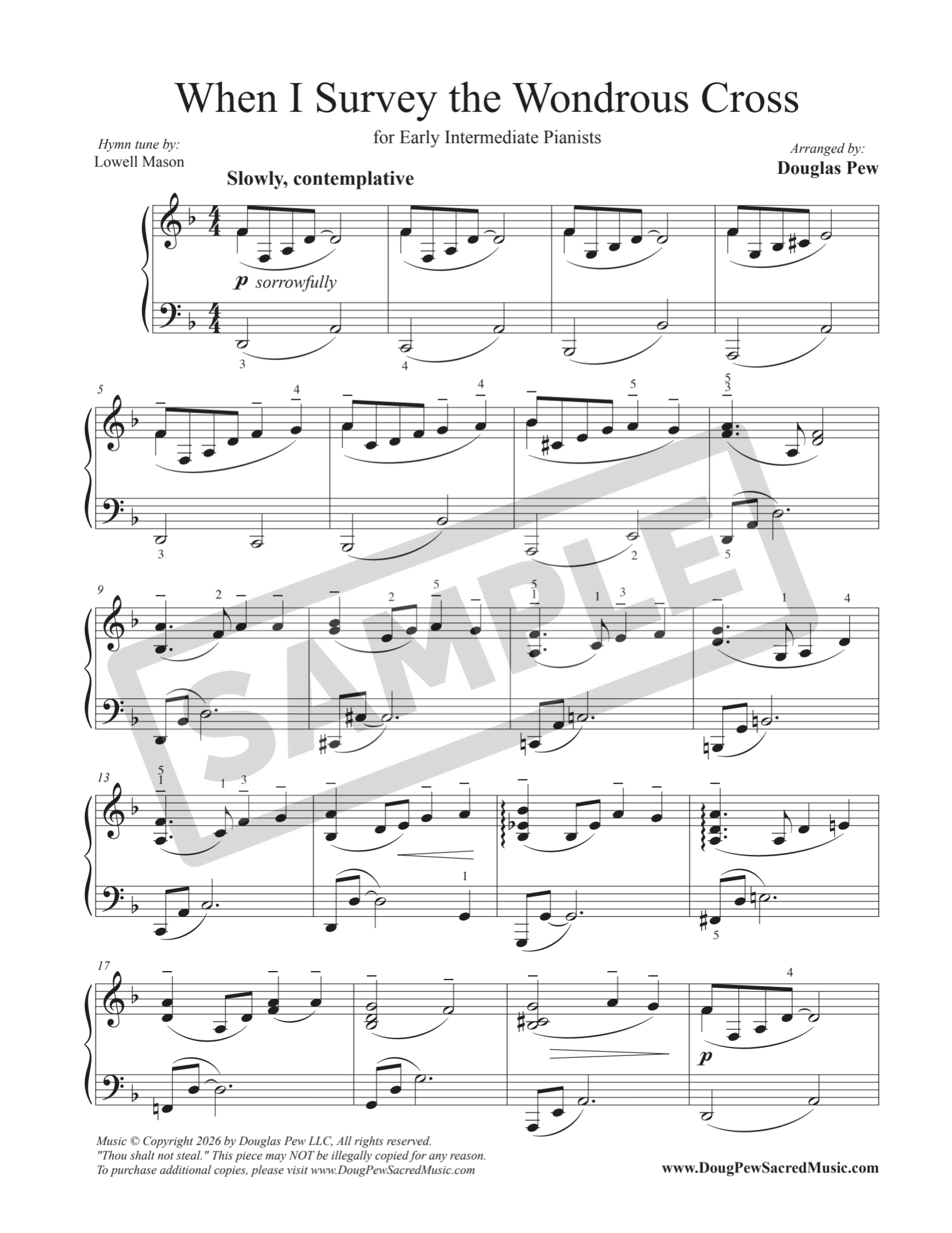
- Notation that's rich to the ear and simple to the eye. One clear layer of notes and only the pedal markings you need, so your eyes aren't overloaded.
- Friendly keys. Nearly everything stays within 0, 1, or 2 sharps or flats.
- Tested with real intermediate pianists until they were easily manageable. And tested by master teachers with fingerings that work for average-sized hands.
Free spiral binding
Heavy, professional covers (music won't slip down the piano)
Heavier paper stock (yet still very flexible and easy to turn) so you can't see through to the other side.
Expertly engraved so the music looks as beautiful as it sounds (not small, hard-to-read notation, or kindergarten-looking notes)
Easy to read at a glance: one clear layer of notes, only the pedal markings you need, and evenly sized lines, so your eyes aren’t overloaded.
Packaged with special materials to avoid damage or bending in transit.
Each arrangement is a full 3–5 minute piece.
Pianists and Teachers Love These Arrangements!
"These are much-needed arrangements, clever, and genuinely original."
— Dr. Scott Holden, Professor of Piano at BYU
"Touched me so much I had tears in my eyes."
— Randalin Hilton, 50-year Piano Teaching Veteran
"They're really wonderful. Completely different than anything you've heard on this level. And they're easy to play."
— Margie Christensen, Tallahassee, Florida
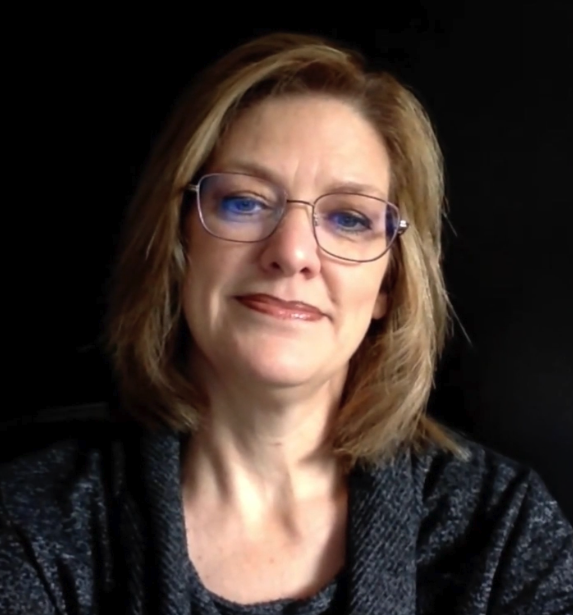
"These are beautiful and wonderful! If I was still teaching I would 100% recommend these for any of my early intermediate students! These arrangements are perfect for intermediate students who are looking for a performance piece or just music that will be a pleasure to play and listen to. These familiar hymns are beautifully written to allow for musicality and artistry without being overwhelming or intimidating. The video links allow the learner to follow along with each song to guide their practice and enhance their expressions. I recommend this collection for any piano player with early intermediate skills and up who enjoys sacred music!
HARMONIC STORYTELLING
A Complete Story in Every Hymn.
You've heard it many times. A talented person plays a musical number at a Church service or recital, and something wonderful happens. People go quiet. Some even wipe their eyes.
Then you go home and look for music like that at your level. Most years, you find the same thing: blocky chords, everything in C major, oom-pah left hands. The beautiful arrangements are written for advanced hands.
So you're stuck choosing between music you can confidently play and music you really want to play.
These arrangements ends that choice. They gives intermediate pianists the chance to play something just as powerful, thanks to what I call... Harmonic Storytelling.
Music You'll LOVE Playing
1. No oom-pah. No rolling arpeggios.
You won't find the tired textures you've played a hundred times. Every hymn gets its own sound, built for its own story.
Now you can play a musica number with textures nobody has heard forty times.
2. The great composers' chords.
The arrangements in these books feature the lush, rapturous chords of Brahms, Mahler, and the great Romantic composers. These are rich, surprising harmonies that draw your listeners in: the kind of chords that make a room go quiet.
3. Music that makes the piano sing.
Every note on the piano starts with a hammer. These arrangements make it sing anyway. Long, lyrical lines weave through every chord the way they do in a string quartet: a melody, a countermelody, and warm inner voices, each with somewhere to go.
It never piles up so many lines that it overwhelms an intermediate player. Your listeners hear singing, not hammering.
4. Every hymn tells a story.
Besides sacred music, I compose opera. My chamber opera Penny premiered with Washington National Opera at the Kennedy Center. Opera teaches you how to carry listeners through a story with music.
So each arrangement is built like a miniature (though playable) masterwork, with a beginning, a turning point, and a climax. Over 3–5 minutes and multiple verses, powerful transitions, modulations, and fresh reharmonizations carry the story of each carol forward. The warm and bright registers of the piano color the drama the way Schumann, Schubert, Brahms, and Debussy would.
The result doesn't feel like an exercise. It feels like real music. And when the story lands, your listeners won't just hear a carol. They'll feel what it means.
"What I love about Doug's music is, even if I didn't see the action on stage or hear the words, I would still know what to feel."
— Jake Heggie, American opera composer (Great Scott, Moby Dick)
Music You Can Confidently Play
5. Never more than an octave.
All that richness is voiced to fit normal-sized hands. Nothing in this book asks your hand to reach past an octave. The richness comes from where the notes sit on the piano, spread across its warm low and bright high registers, not from stretching.
So you're never reaching for notes you can't quite get, with the whole congregation listening.
6. Rich to the ear. Simple to the eye.
When a page shows too much at once, music gets harder to play, even when the notes themselves aren't hard. So every hymn is notated to be read at a glance:
one clear layer of notes
only the pedal markings you need
lines of music that stay about the same length, so your eye keeps a steady pace
It's packed with rich sound, without the visual clutter. You learn it faster and play it with confidence.
7. Tested until it was easy.
Every hymn was played by real intermediate pianists and rewritten until they could read it quickly and enjoy playing it right away. Master teachers with decades of experience teaching of intermediate pianists then helped choose the most useful fingerings.
It sounds far more advanced than the notes you're actually playing.
But don't take my word for it. Listen for yourself.
MEET THE COMPOSER
Why do these sound so different?
It started with six words a Polish priest said to me in Warsaw, Poland...
"Your Music Helped Me to Pray"
Hi, I'm Doug Pew. I'm a composer of sacred music.
Years ago, I went to Warsaw, Poland, as a postdoctoral Fulbright Scholar to study with the renowned composer Paweł Łukaszewski. He instilled his motto in me. One day before our lesson, he stopped me in the hall, pointed his finger at me, and declared in his deep Polish accent: "We must compose for God. Every note I compose is for God. Every note YOU compose must be for God."
The Catholic Mass I wrote there for my dissertation, my Missa Musica Sacra, premiered on Polish national TV and radio. Afterward, a humble Polish priest came up to me and said six words that changed everything for me:
"Your music helped me to pray."
From that moment, I stopped composing to impress people. Now every note, chord, and musical decision has to earn its place by helping the listener feel closer to God.
Here's my test. I don't keep a chord unless it gives me the spiritual shivers first. If I don't feel it, you won't either. And it has to flow under the hands, so you're free to feel the music instead of fighting the notes.
That's what's inside these new books.
Dr. Douglas Pew's Background:
Doctorate and master's degrees from the University of Cincinnati College-Conservatory of Music
Fulbright Scholar, Chopin University of Music, Warsaw
Chamber opera Penny premiered by Washington National Opera at the John F. Kennedy Center
Published by Boosey & Hawkes, Schott Music, Santa Barbara Music Publishing, and Doug Pew Sacred Music
Former composer-in-residence, St. Thomas Episcopal Church, Cincinnati
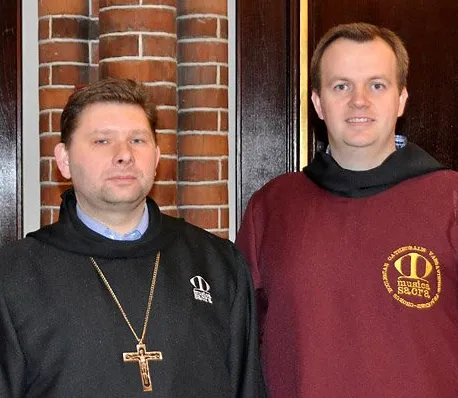
Dr. Douglas Pew (right) with Dr. Paweł Łukaszewski (left).

Dr. Craig Jessop
Tabernacle Choir, former director.

"In Douglas Pew we have a fresh new voice in contemporary sacred music. His craftsmanship in the art of composition is readily demonstrated in his outstanding cantatas, hymns, solo arias, and choruses. His writing for voices is filled with sensitivity and beauty, always complementing the spirit of the text. We have much to look forward to in the future compositional output of this exciting American composer."
"A rich harmonic palette, sure to connect with audiences,
while saying something fresh, profound and meaningful."
— The Pianist's Craft, Vol. 2
CHRISTMAS CAROLS
"Come and Adore"
10 Christmas Carols for
Intermediate Piano
CONSECRATION HYMNS
"Take My Heart"
12 Hymn Arrangements for Intermediate Piano
COMFORT HYMNS
"Beside Still Waters"
12 Hymn Arrangements for Intermediate Piano
EASTER HYMNS
"Atonement & Resurrection"
10 Hymn Arrangements for Intermediate Piano
Frequently Asked Questions
What level are these arrangements?
If you can play at least a few hymns comfortably, these arrangements are for you. Keys stay within 0–2 sharps or flats, with only one short 4-flat passage in the whole book. Nothing reaches past an octave.
These chords sound advanced. Will I really be able to play them?
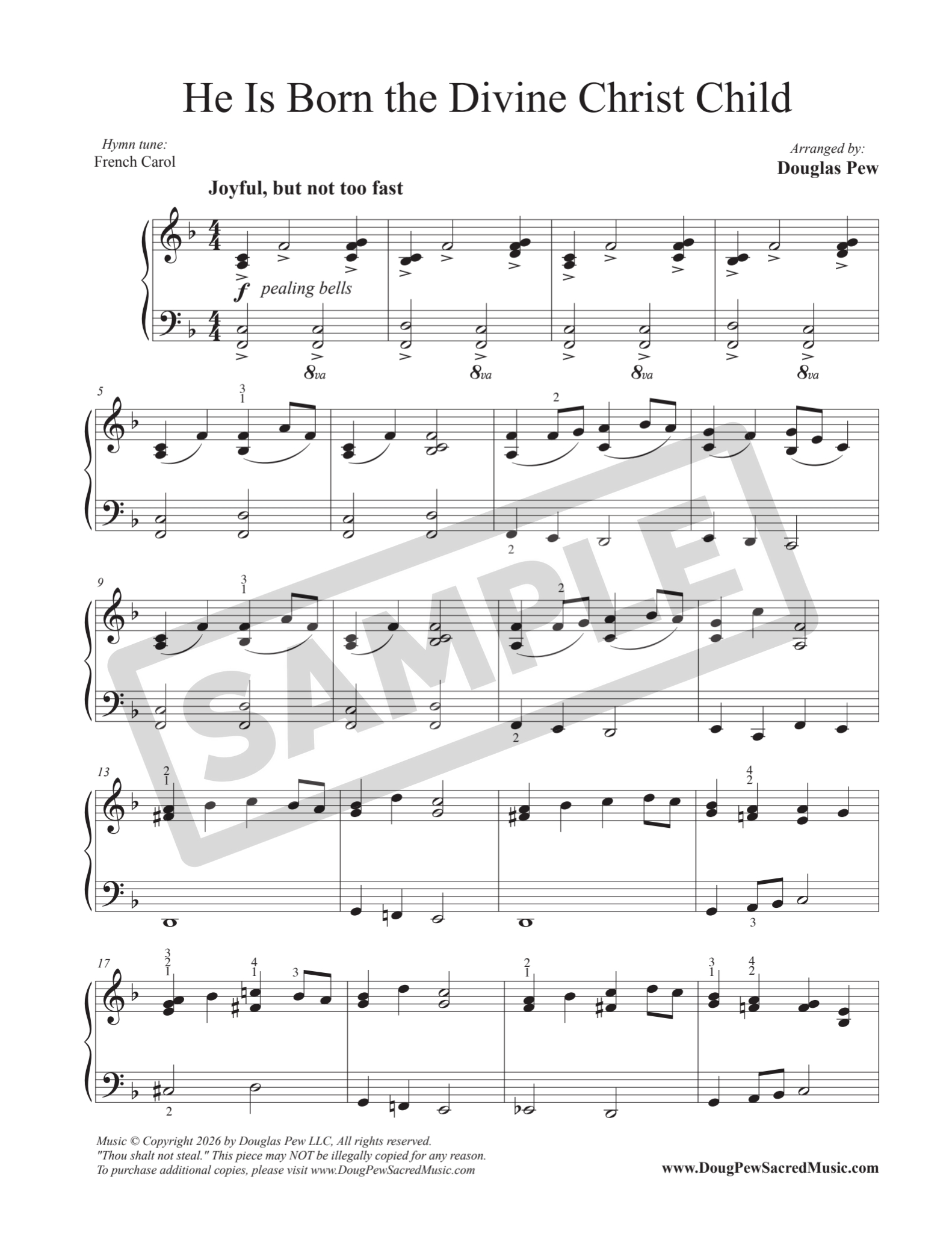
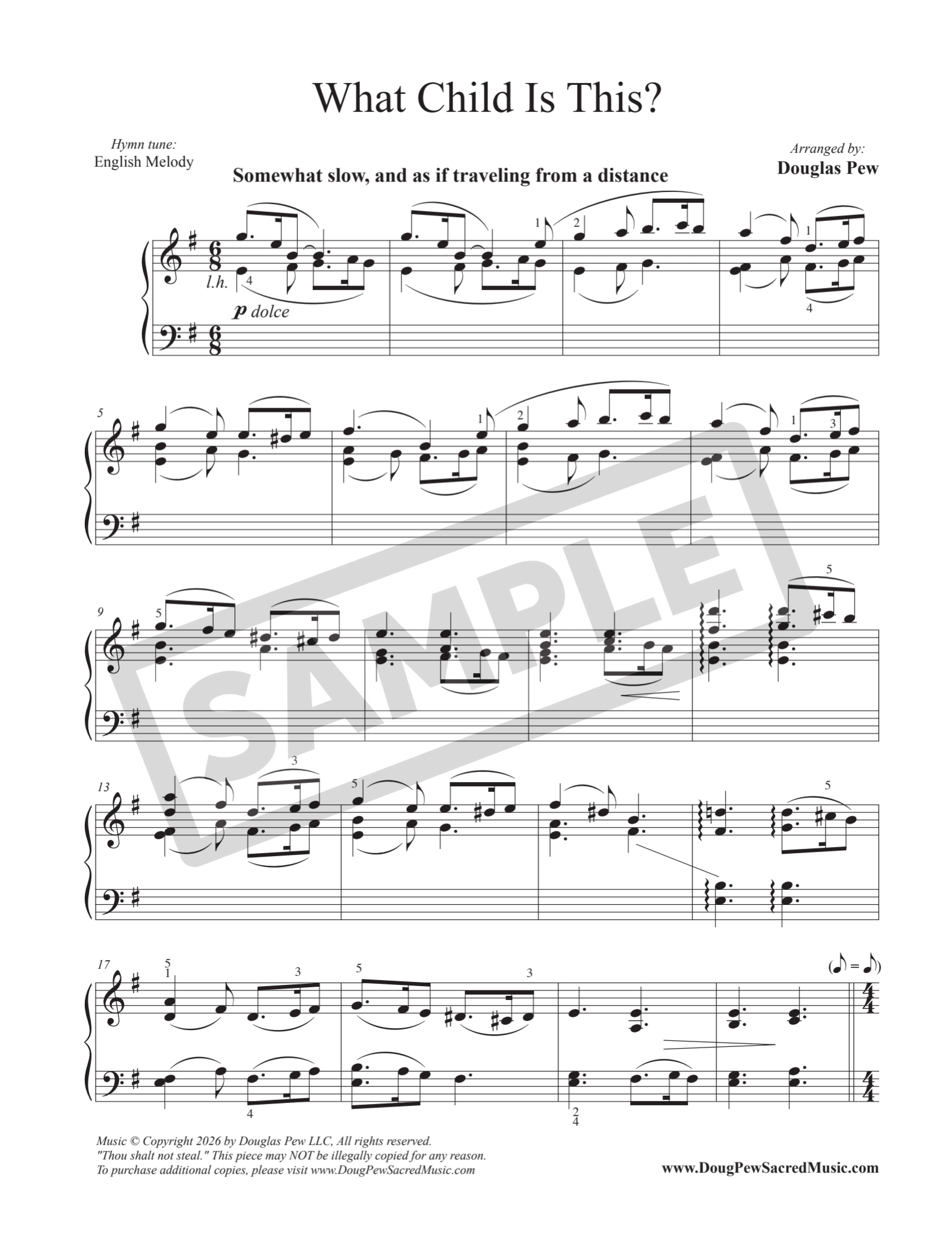
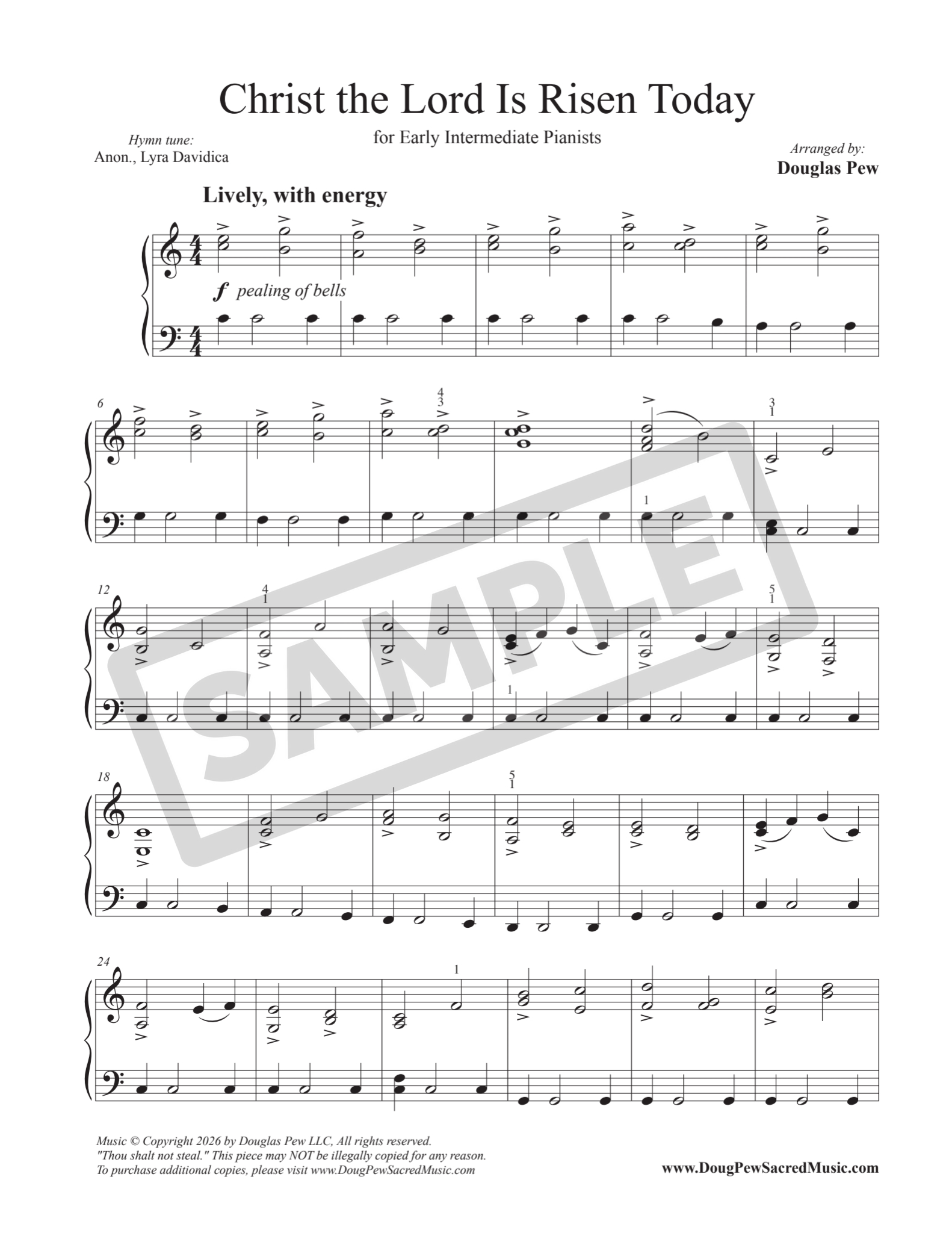
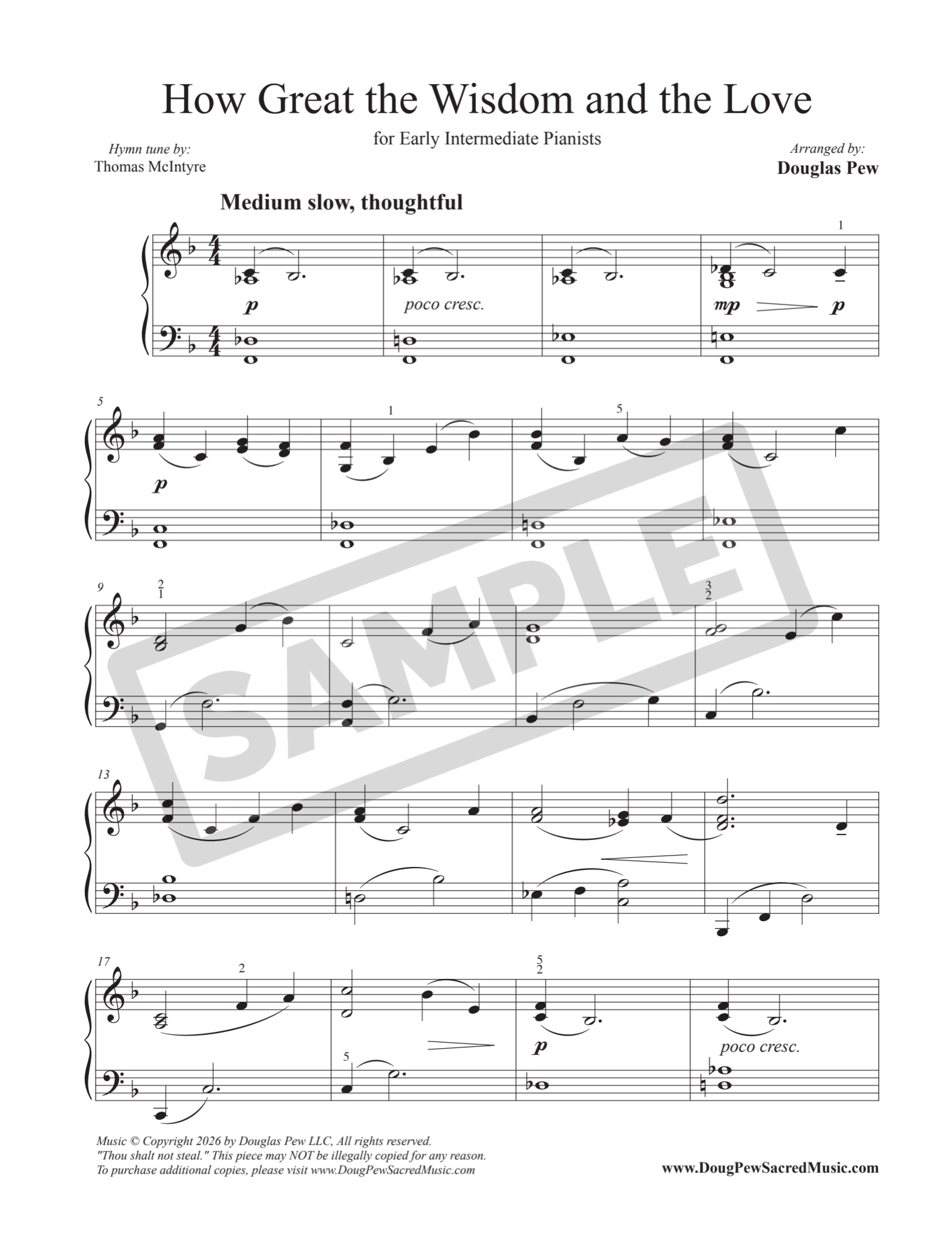
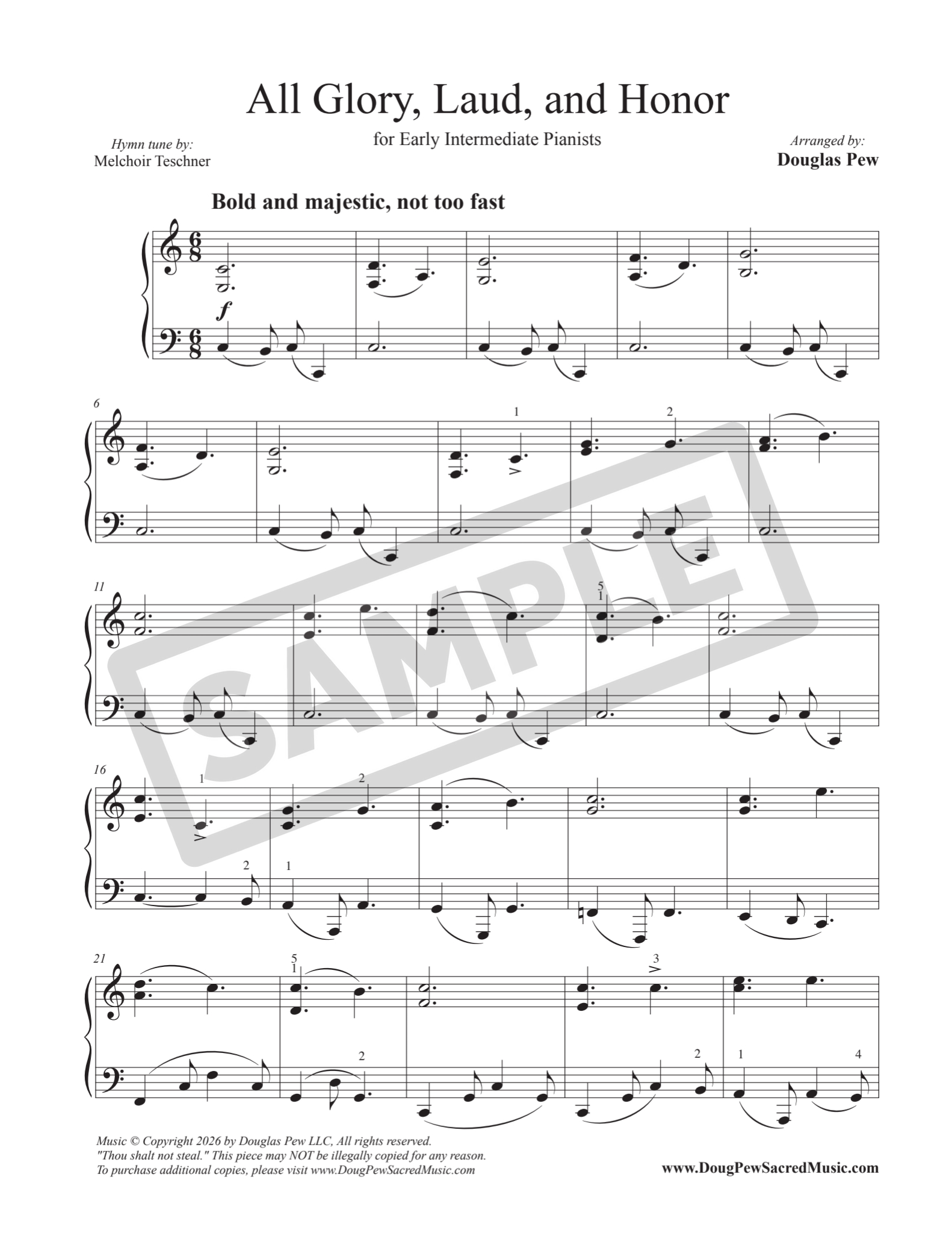
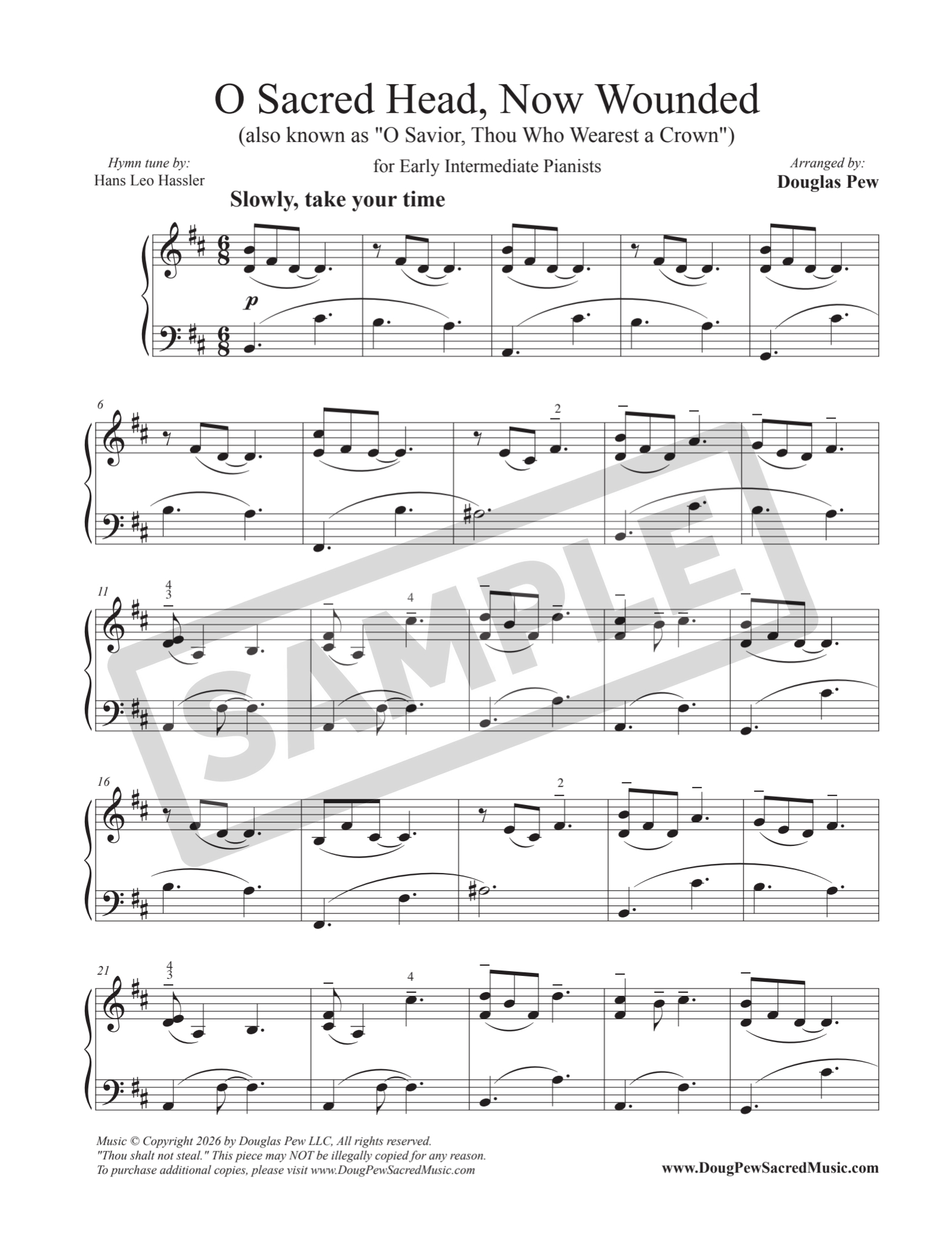
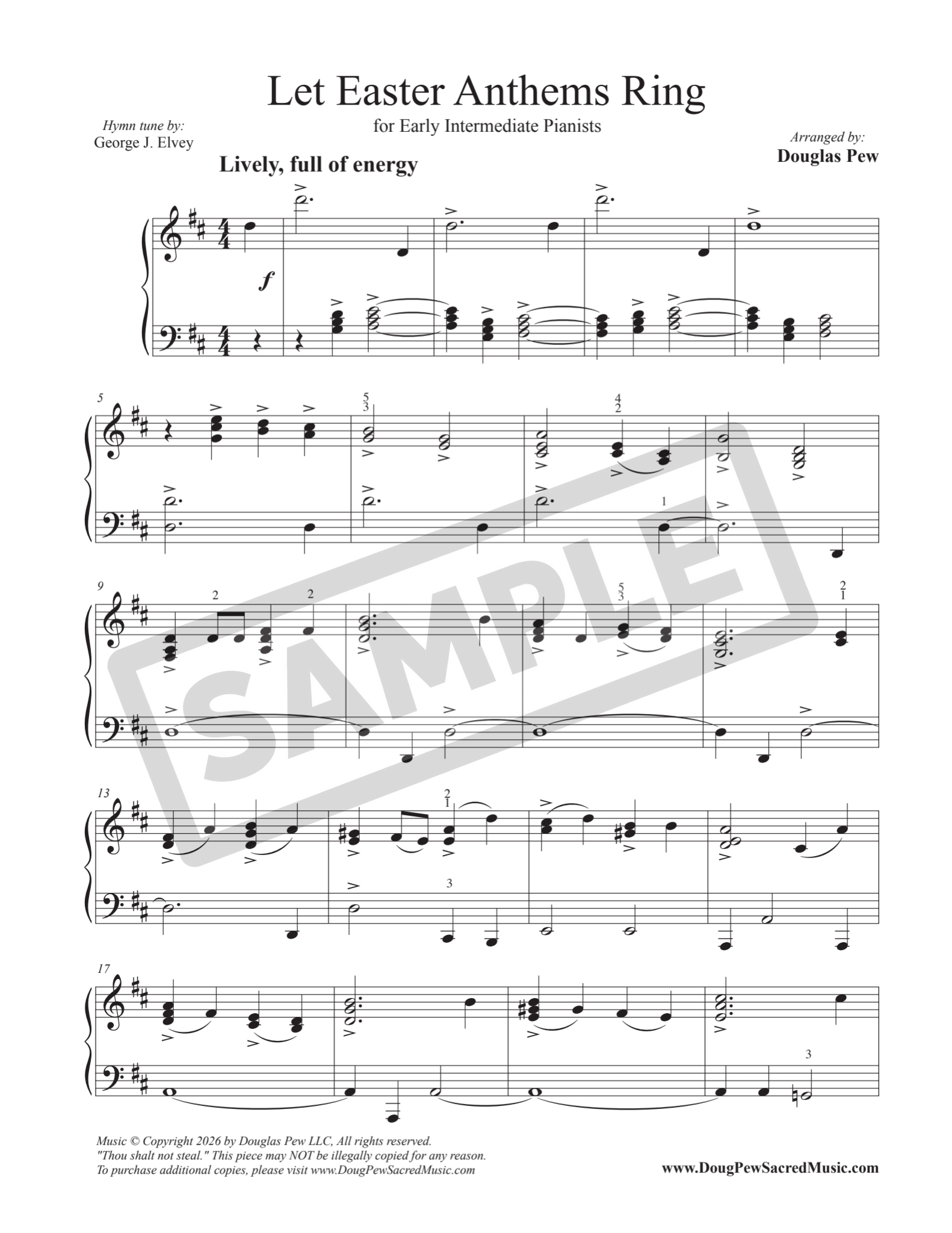
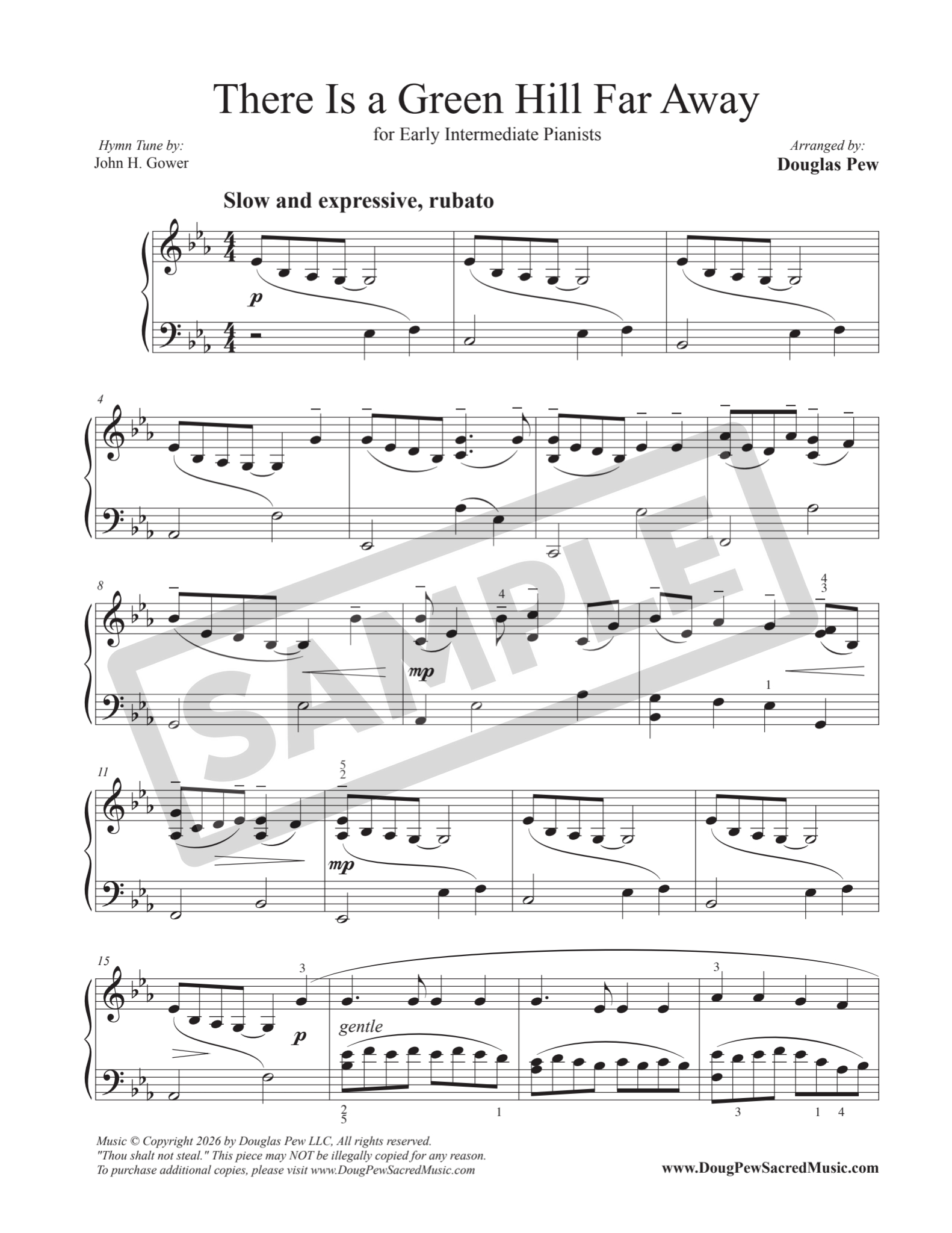
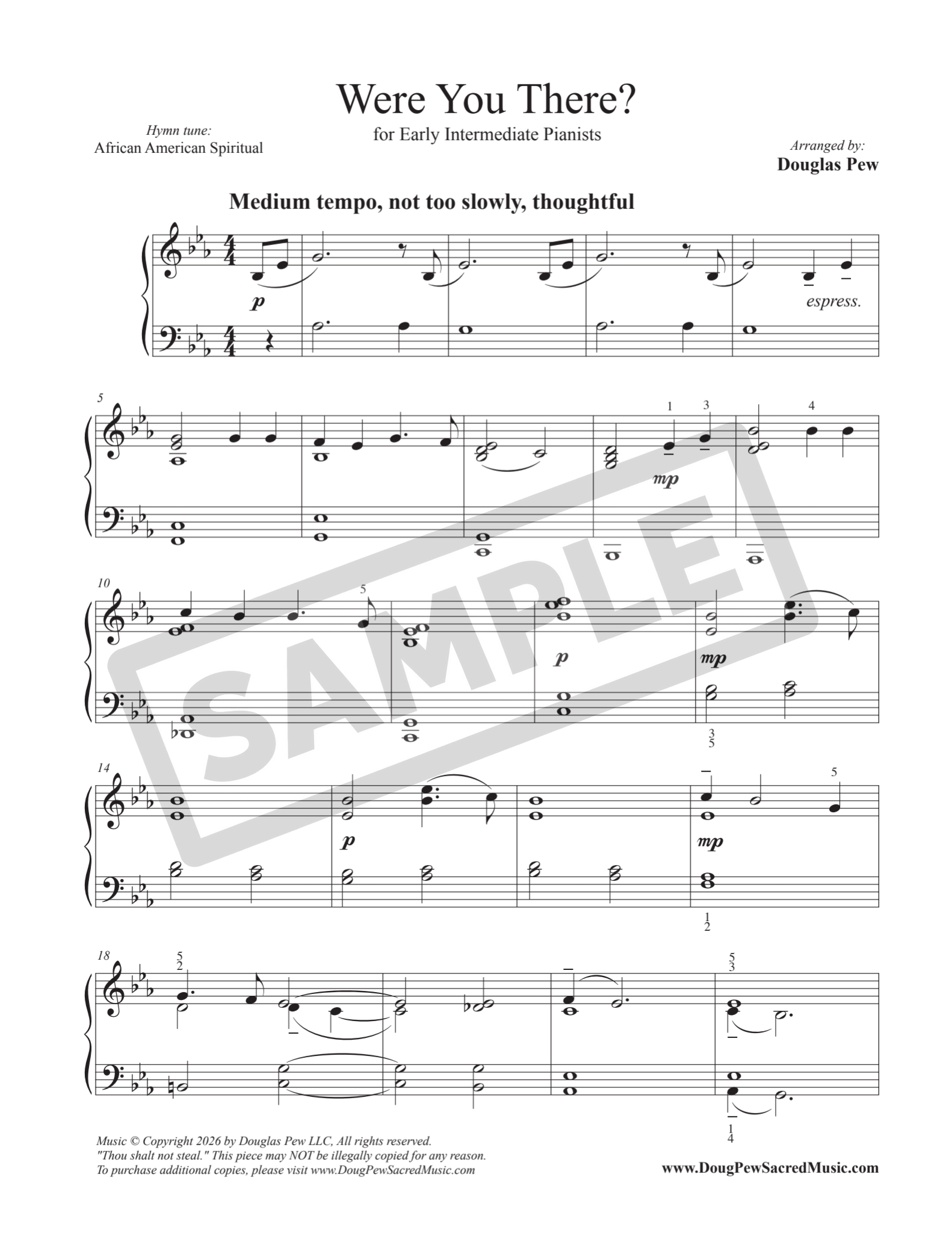
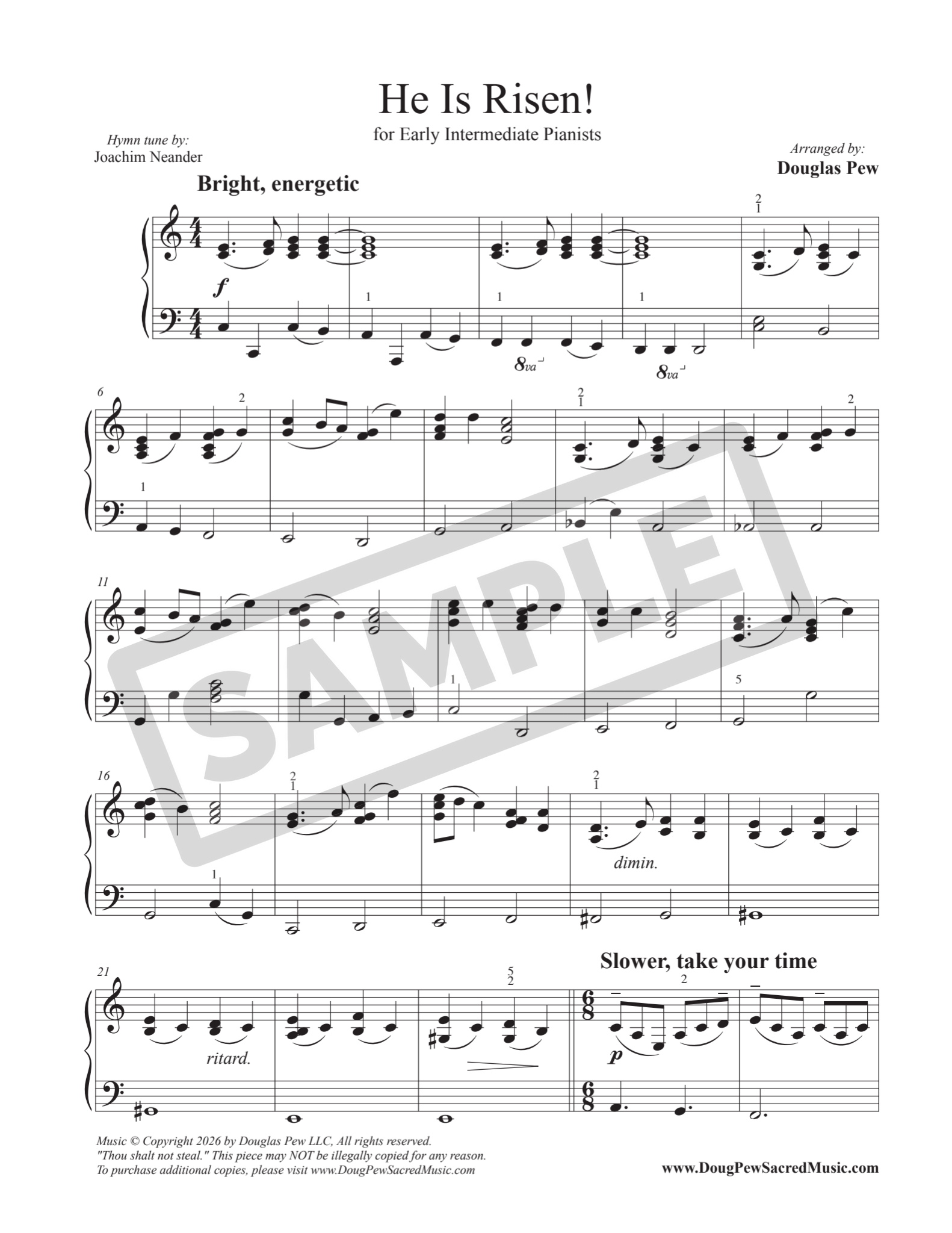
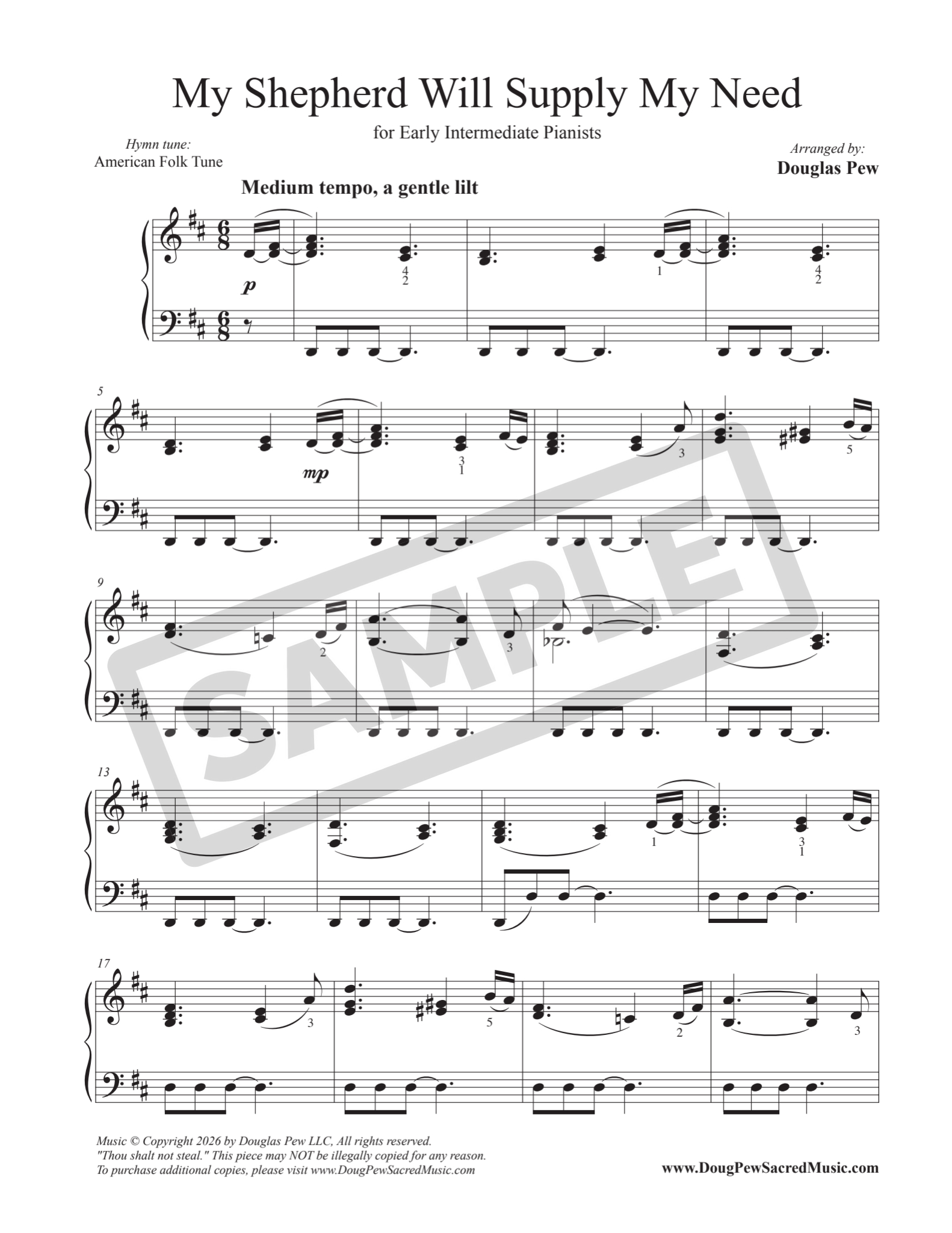
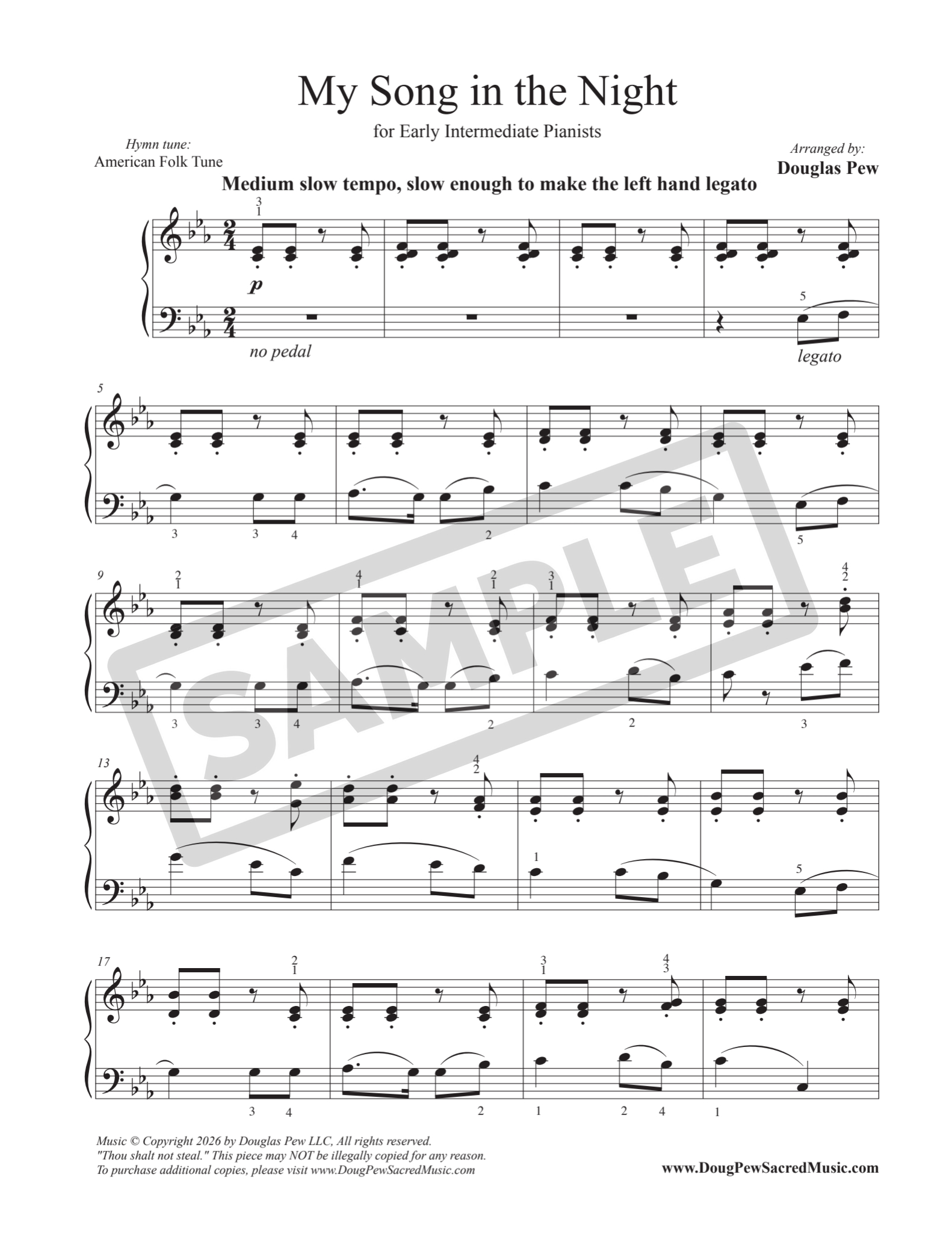
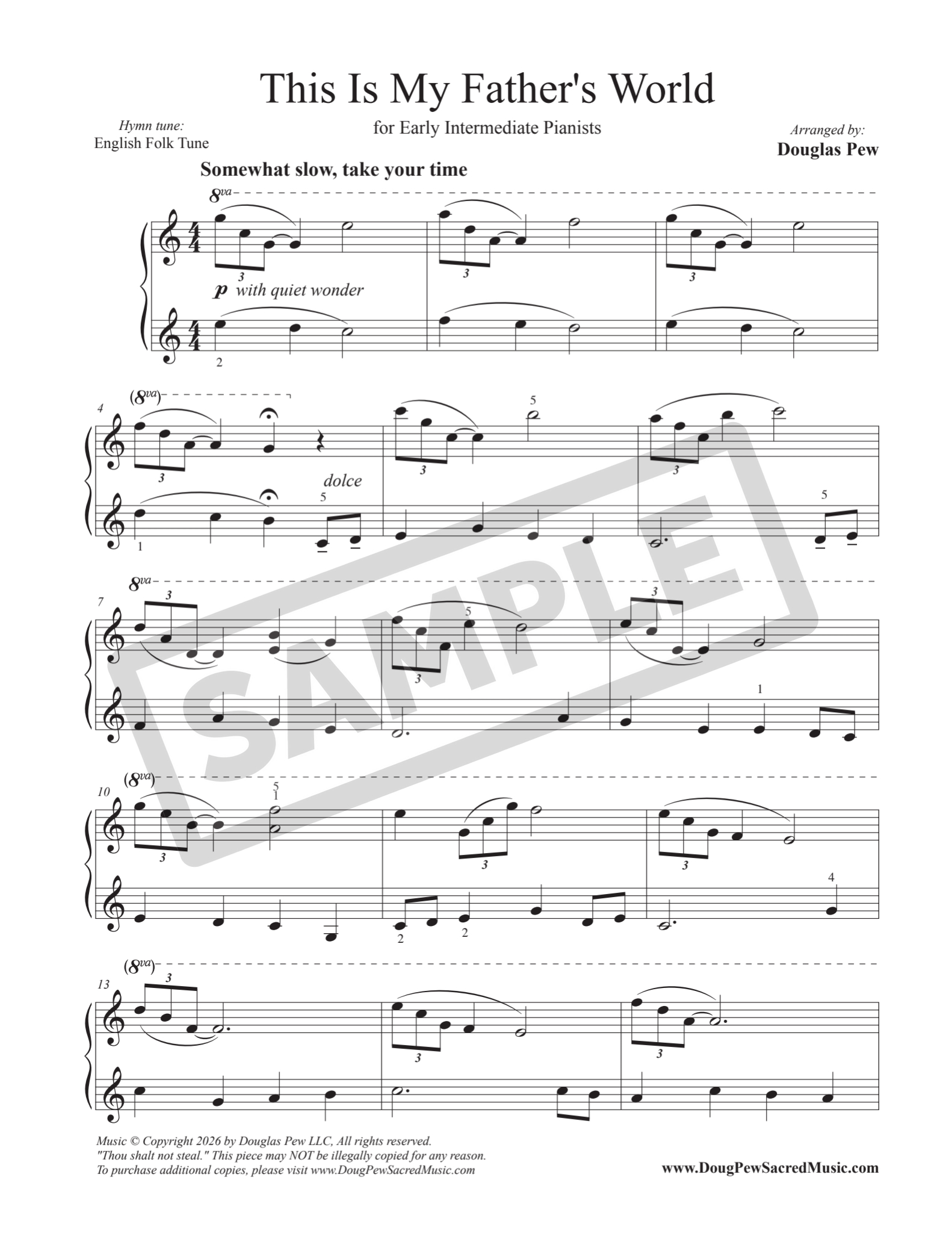
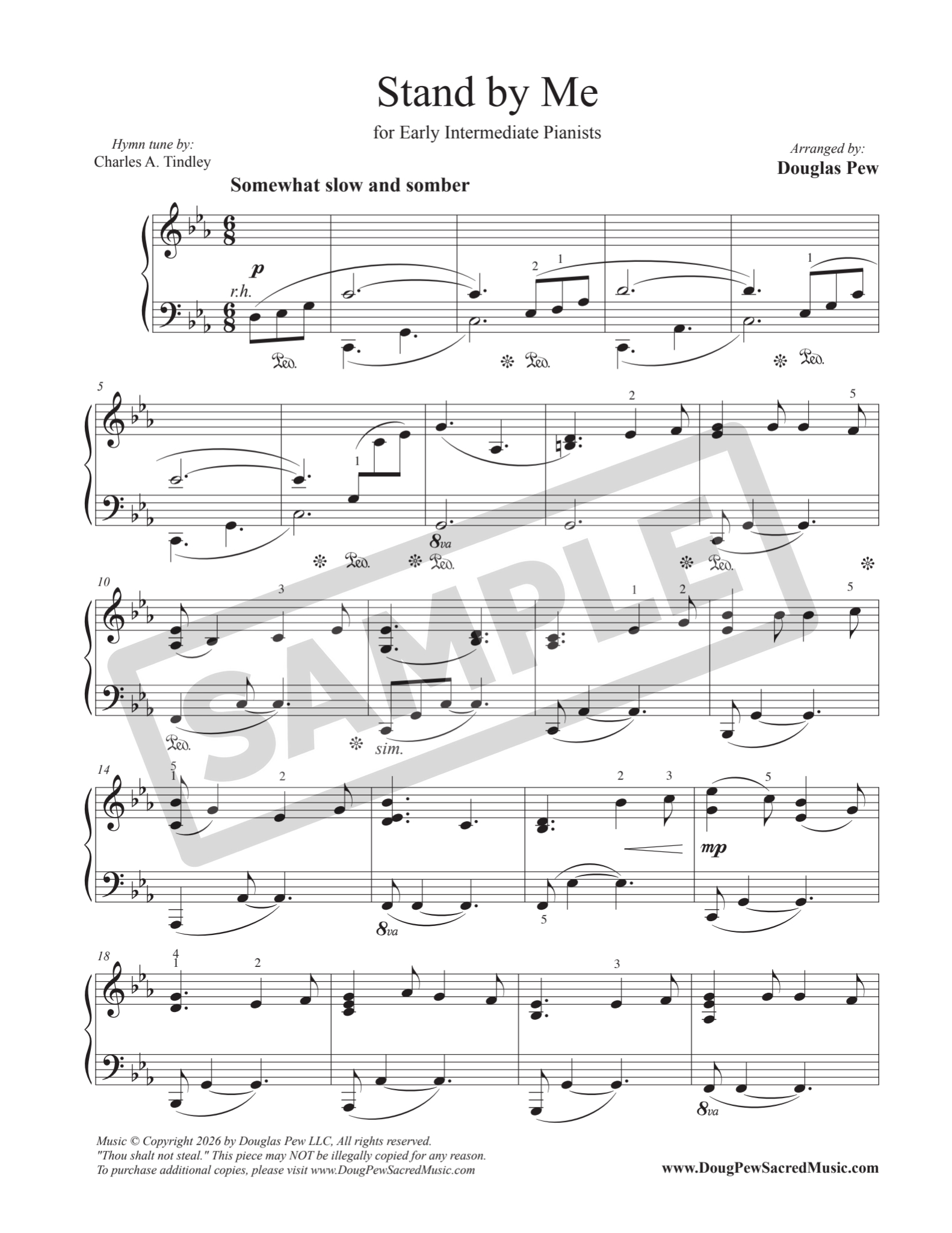
That's the whole point of Harmonic Storytelling. The sound comes from which notes I choose and where I carefully place them, not from piling on more notes. Listen to any recording above while watching the music scroll by. You'll see how much of the richness comes from smart voicing, not difficulty.
Can I play these in church?
Yes. They were written for worship. They work in any church service: preludes, special musical numbers, and recitals. At 3–5 minutes each, they fill a prelude or musical number beautifully.
I'm a teacher. Are these good for students?
Yes. They make excellent recital and performance pieces for intermediate students, and each hymn has a free scrolling sheet-music video on YouTube that students can follow while they practice.
When will my book arrive?
We ship within 24-48 hours. Orders usually take between 5-10 days to arrive. You can also get the digital copy, which is available instantly, so you can start practicing today.
Should I add the digital version?
Two good reasons to. You can start practicing tonight instead of waiting for the mail, and it's 50% off when you add it to your book order. Many pianists keep the paper copy at home and the digital copy on a tablet for church.
Book of Christmas Carols, "Come and Adore"
Song Name
Book
Spotify
Youtube
Apple
Sample
Price
Full PDF



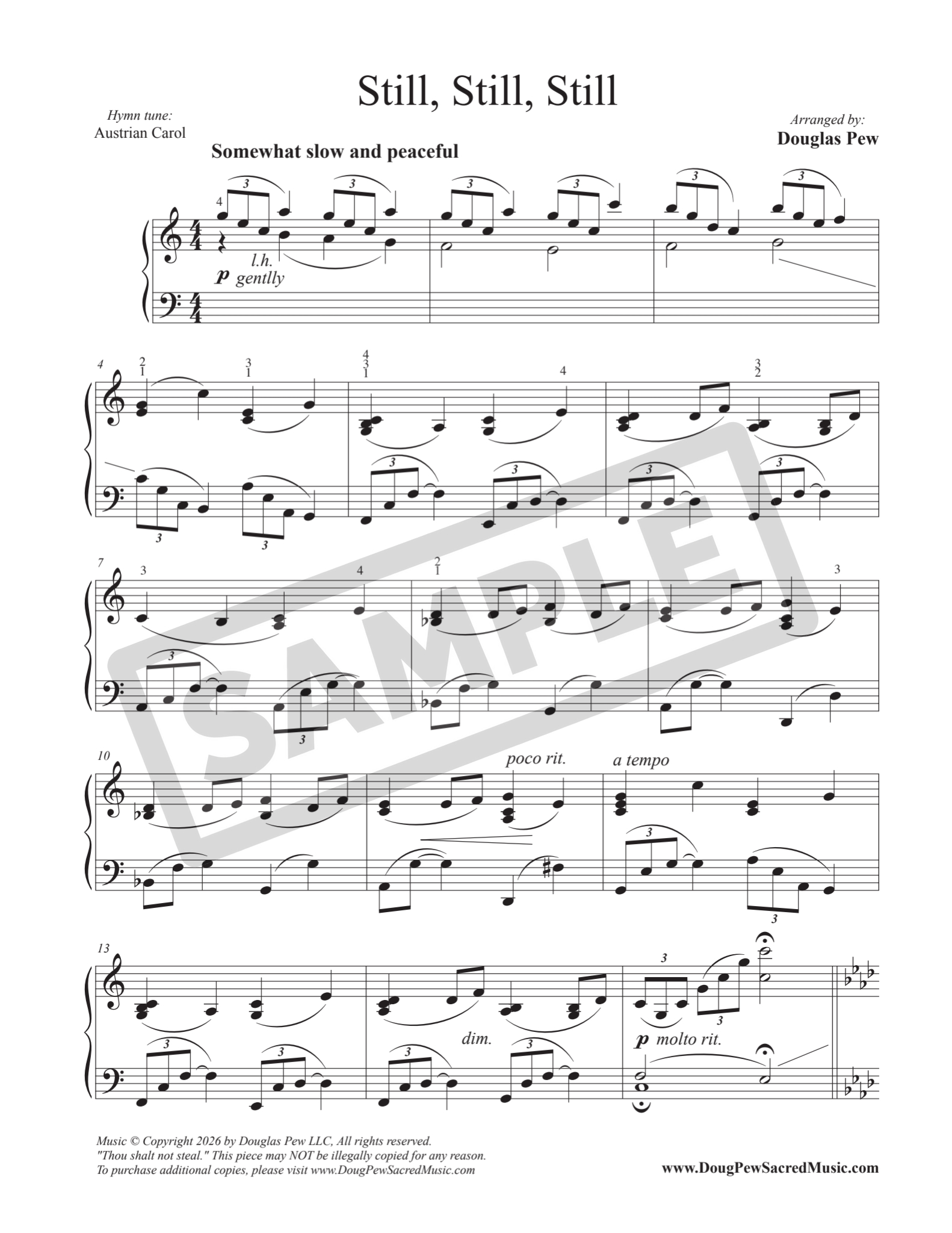
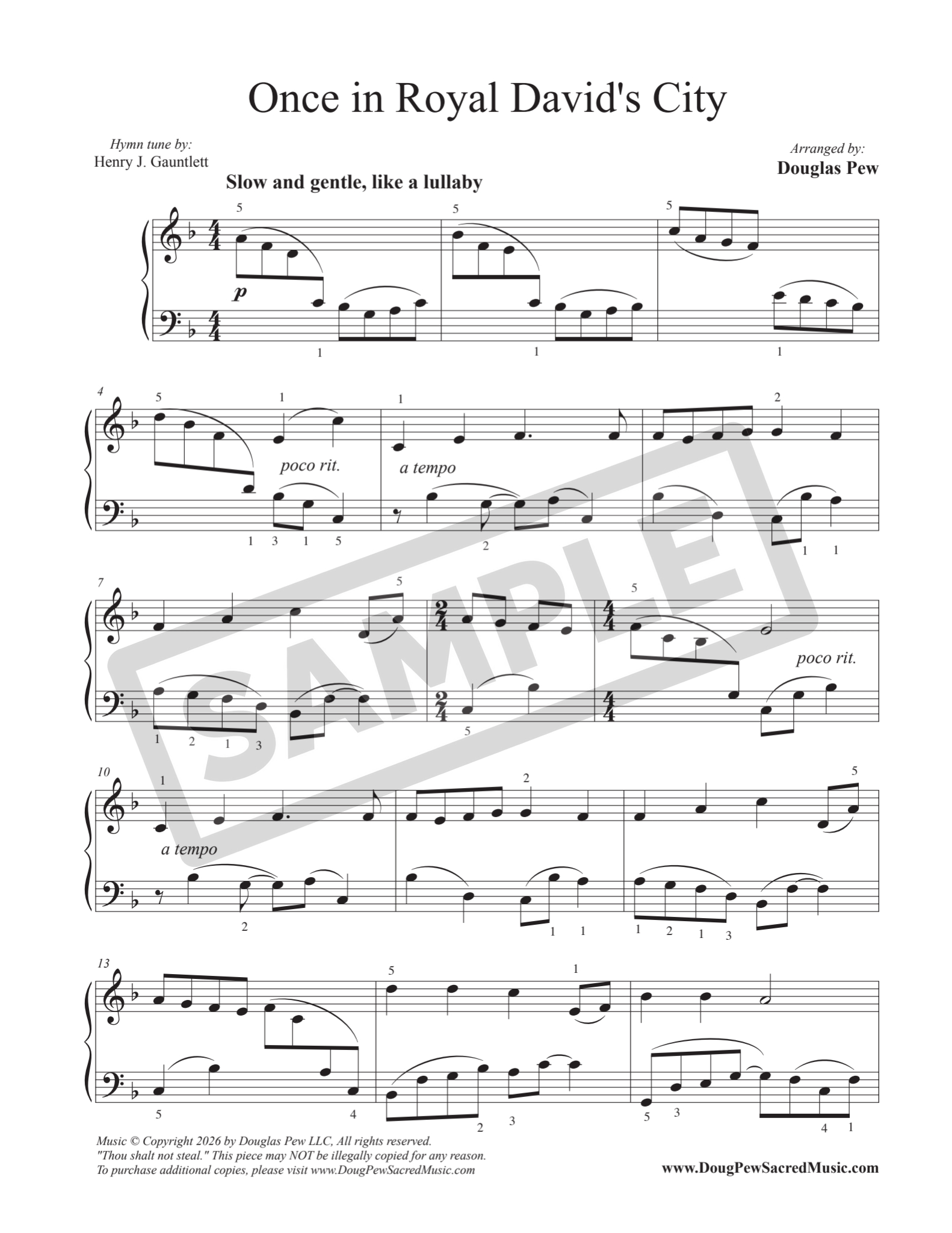
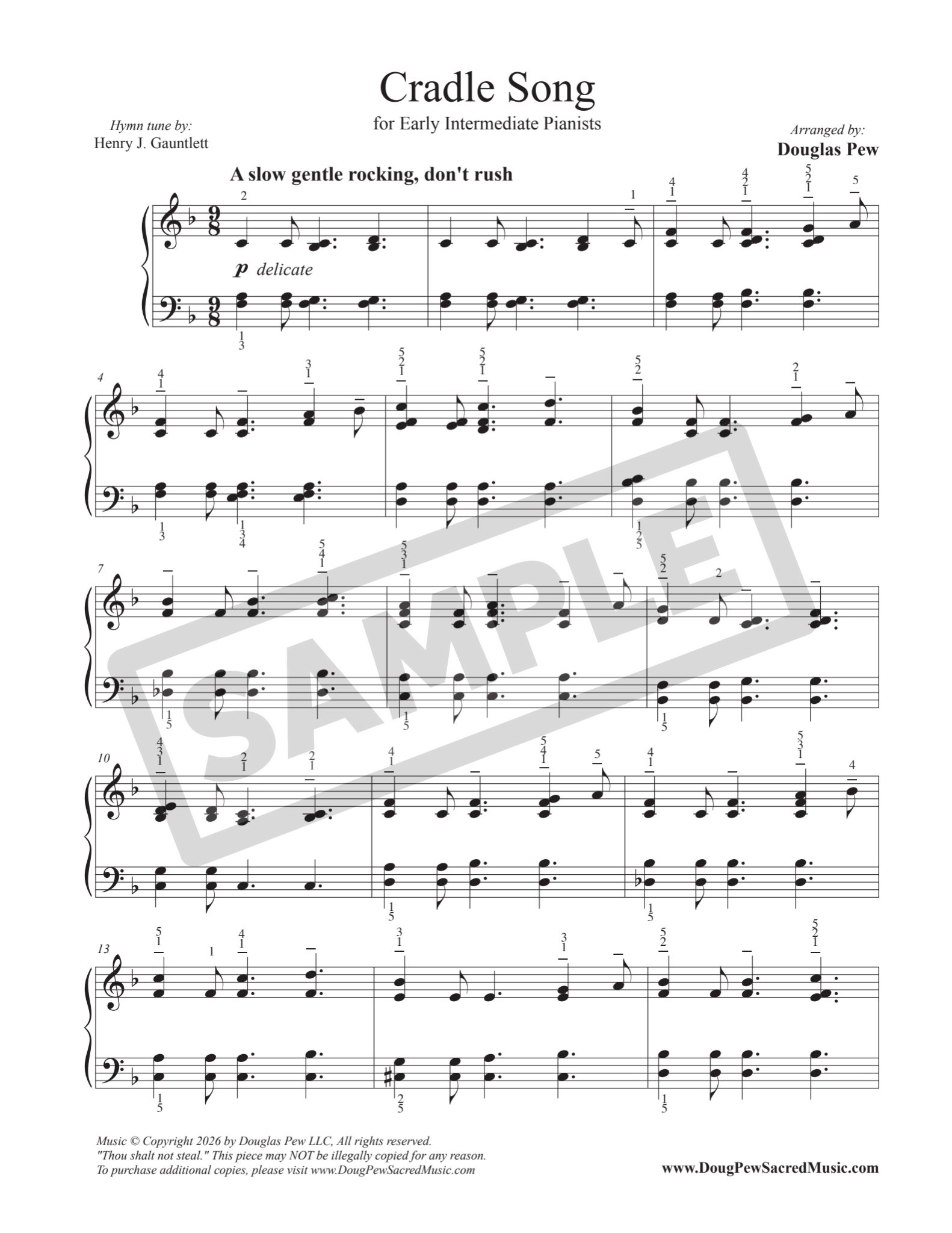
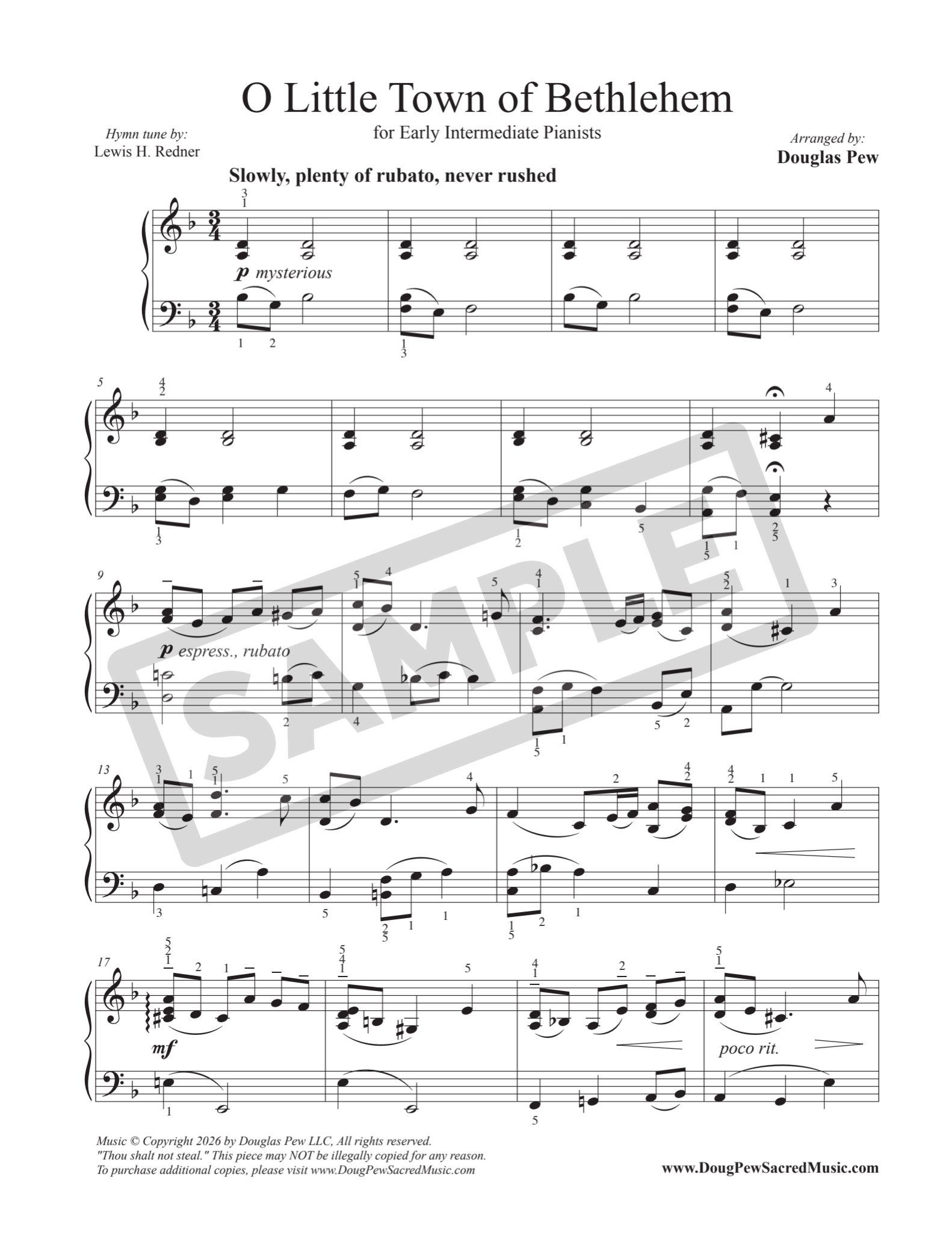
Book of Easter Hymns, "Atonement & Resurrection"
Song Name
Book
Spotify
Youtube
Apple
Sample
Price
Full PDF
Book of Comfort Hymns, "Beside Still Waters"
Song Name
Book
Spotify
Youtube
Apple
Sample
Price
Full PDF
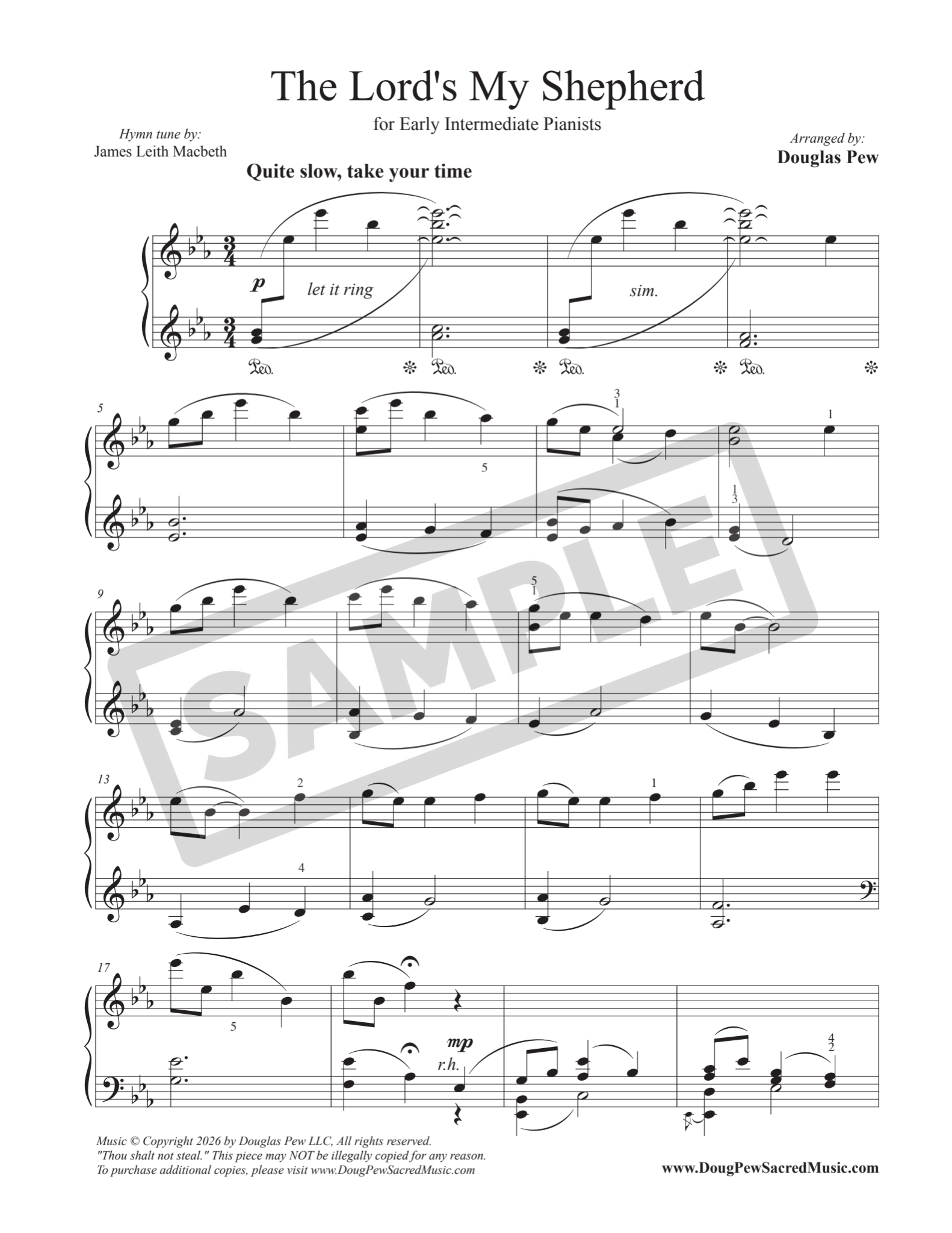
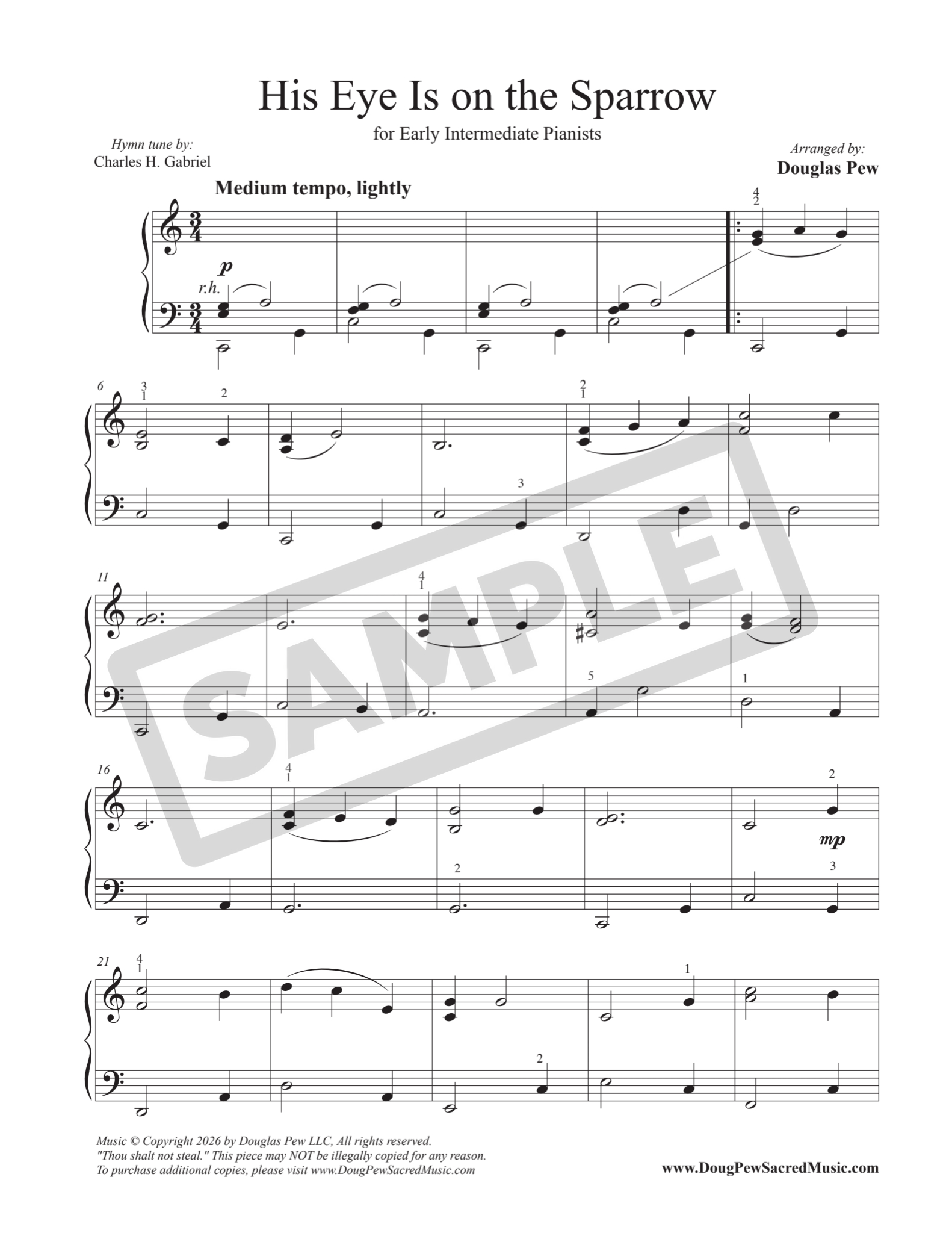
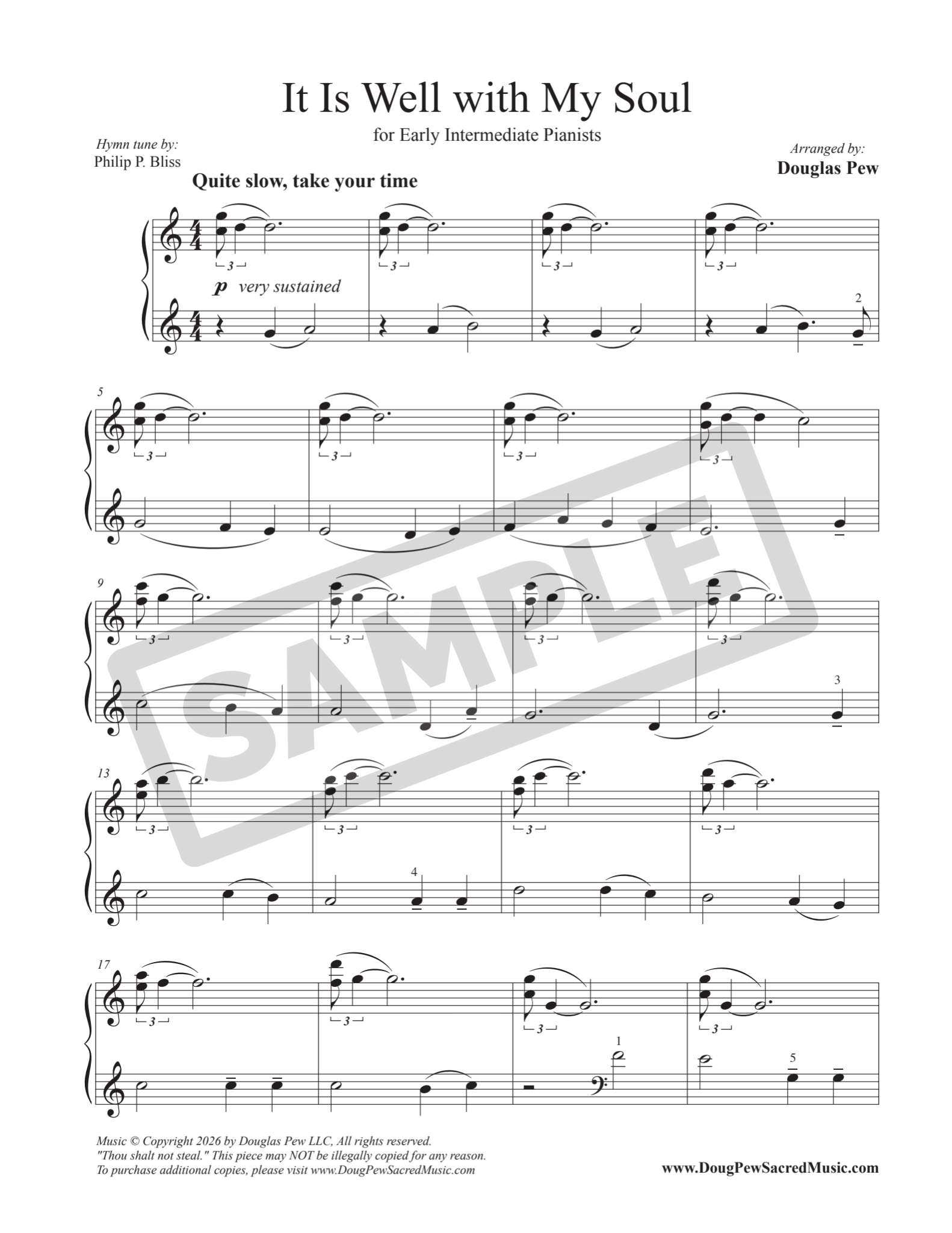
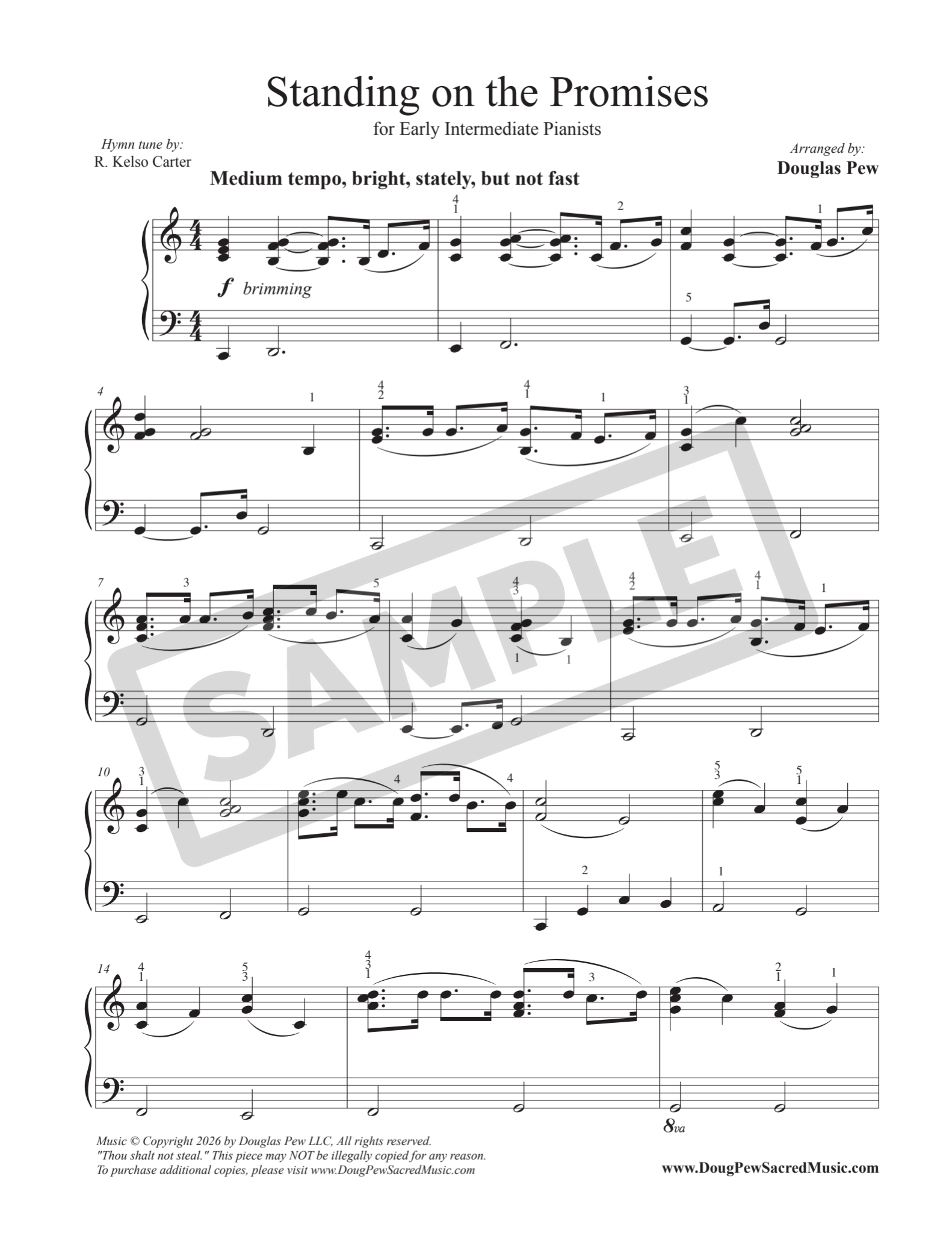
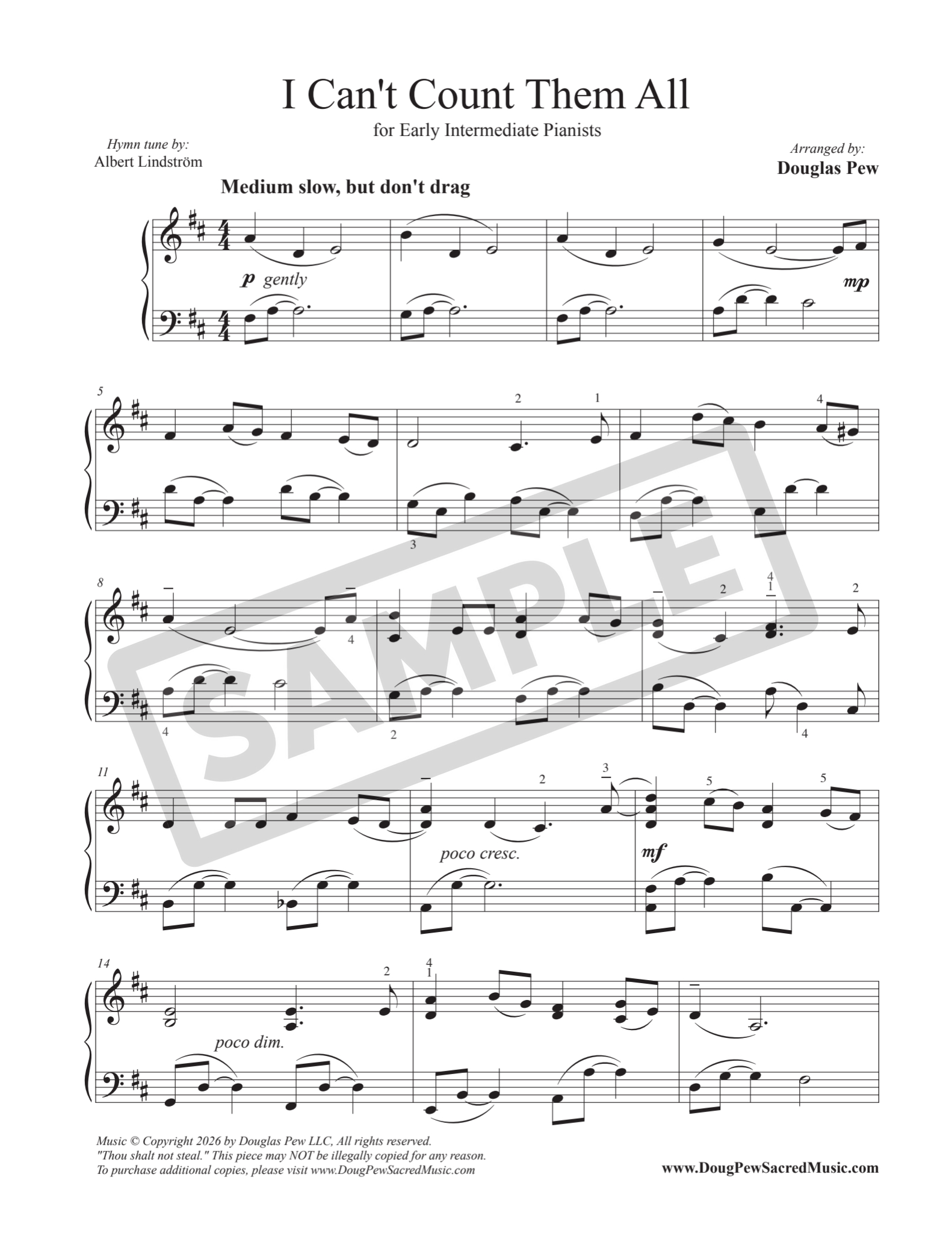
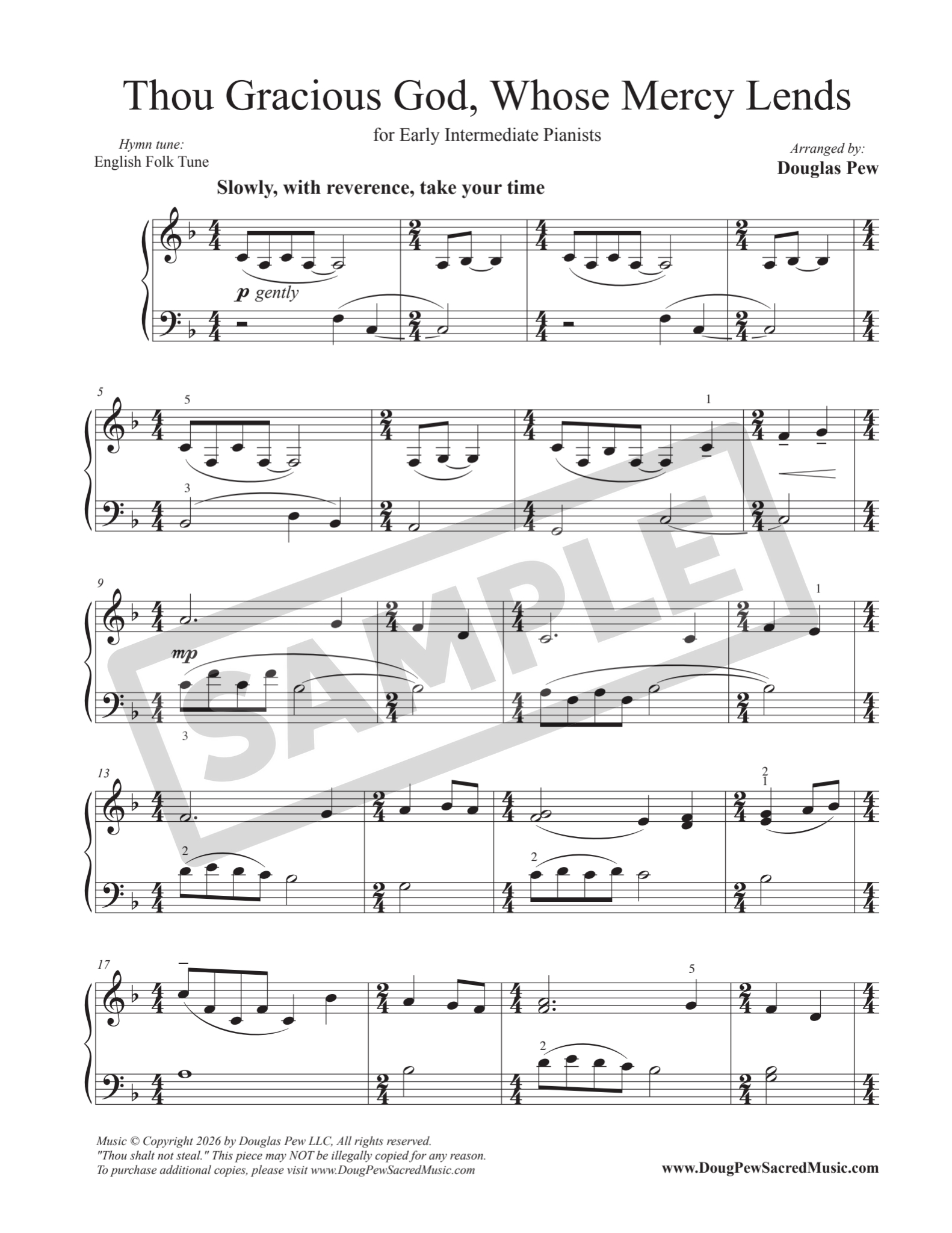
Book of Consecration Hymns, "Take My Heart"
Song Name
Book
Spotify
Youtube
Apple
Sample
Price
Full PDF

Secular Works
Free Sheet Music
Copyright 2005 -2026+ ©️ by Douglas Pew LLC and Doug Pew Sacred Music